-
Classic Instruments
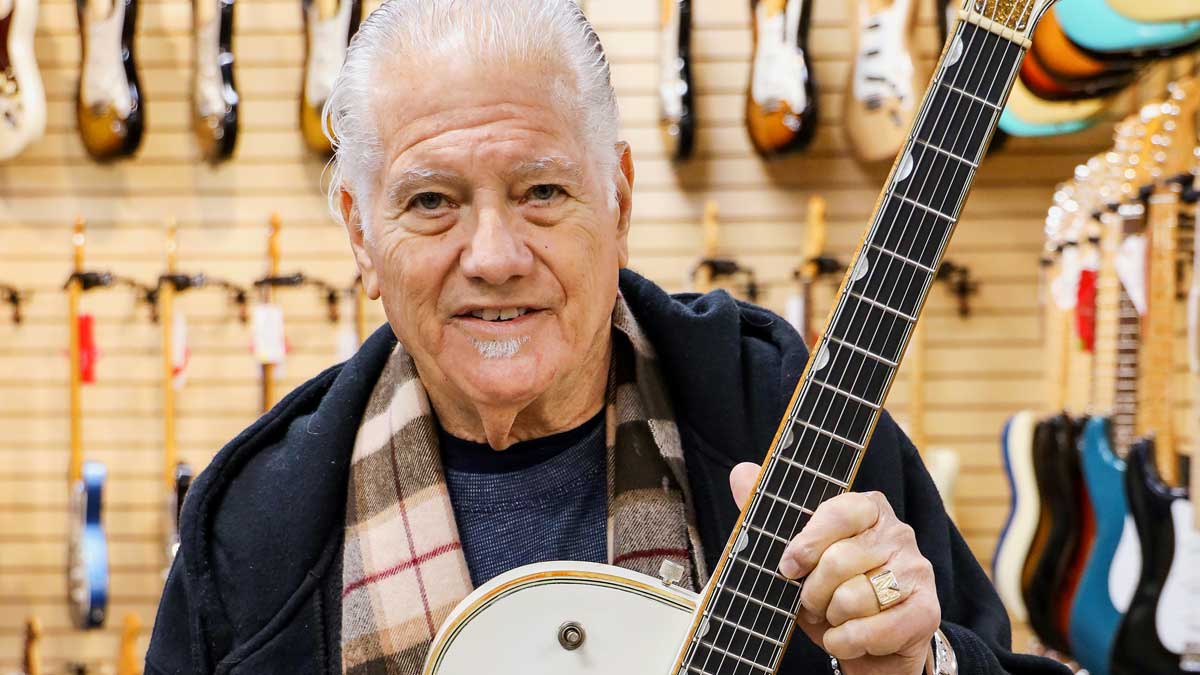
Classics: Norman Harris
Rare Pioneer
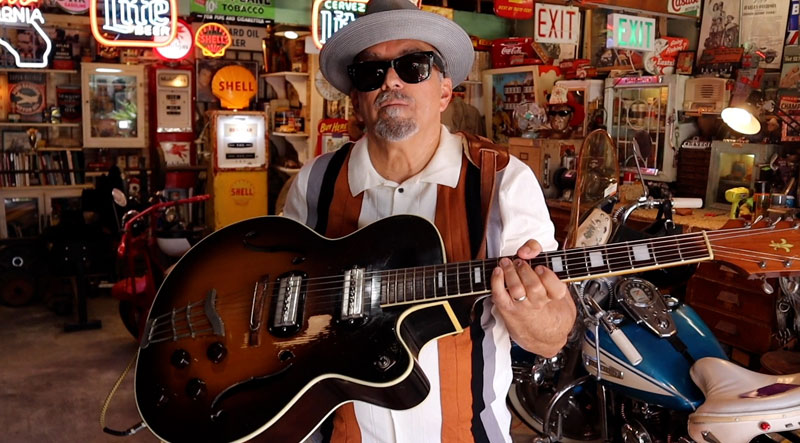
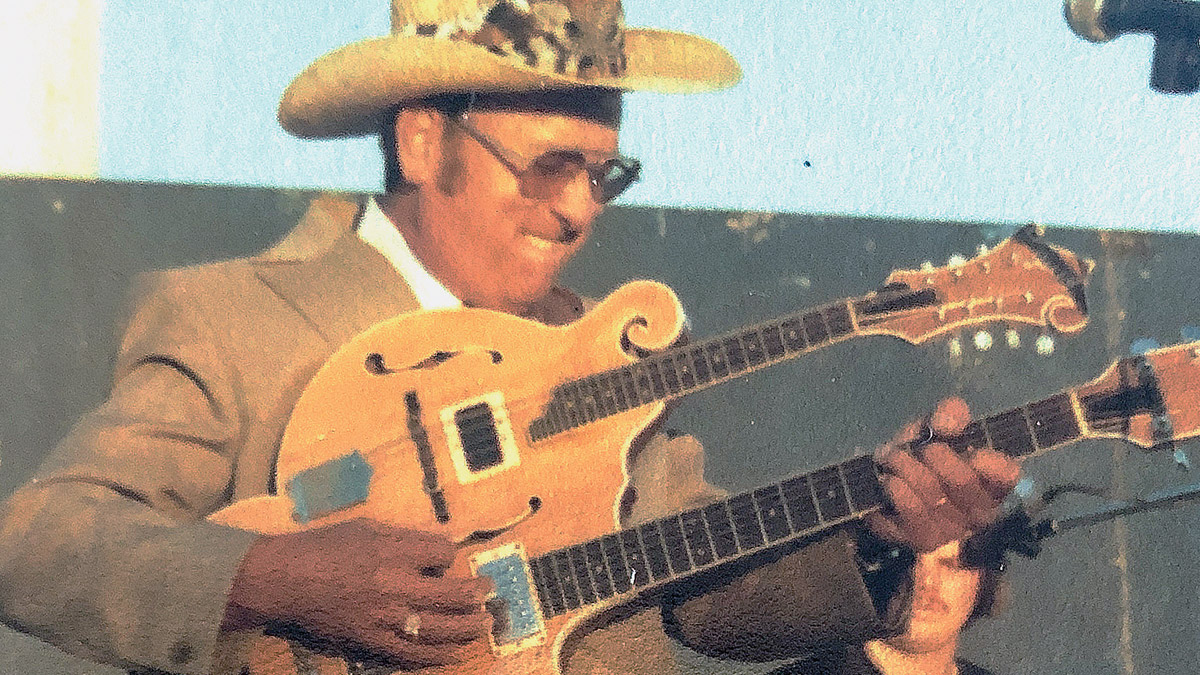
As a teenager who just wanted to play music, Norm Harris lived with the reality that he and his band weren’t going to be millionaires anytime soon. So he did what musicians do – side-hustled. But when most were manning the counter at a music shop or serving tables, Harris was up at the crack
-
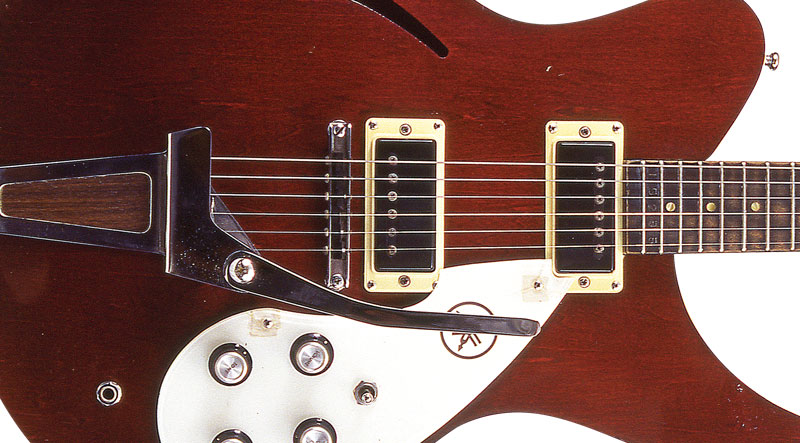
Yamaha SA-15
Our perception of Japanese guitars has evolved slowly. At one point, they were cheap toys, at other times imperfect copies, then startling innovations. Perspective encircles the truth. So, how should we perceive the Yamaha SA-15? Japan became interested in guitars in the early 1920s, as some musicians there began to perform what we’d today call…
-

Greg Koch: Gristly “Blues”
Greg Koch: Gristly “Blues” Greg Koch fearlessly wrings the sort of vibrato that only a Tele will tolerate from his ’53 to play this exclusive version of Freddie King’s “The Stumble” flavored with a bit of delay and running into his Tone King Royalist. Inspired by fan requests, it’s just one of the tracks culled…

Supro S6651
Supro S6651 Big Star
Don’t we guitarists just love gear that looks like it was salvaged from our mom’s kitchen circa 1961? Give us…

The Vox/Thomas Organ V-8 Berkeley Super Reverb
Organ Transplant
Most fans of classic British guitar amplifiers have heard the tale of how the great all-tube Vox models of the…

Late 1920s Gibson L-1 (Flattop)
Gibson "Florentine"
Because I don’t know what to call this Gibson guitar, I refer to it as a “Florentine,” for lack of…

Sound City L/B 120 Mark IV
Preamp tubes: three ECC83 (12AX7), one ECC81 (12AT7, in the phase inverter) Output tubes: six EL34 Rectifier: solidstate Controls: Normal…

Martin 5-18
The Martin style 5-18 is the smallest guitar in Martin catalogs; at the lower bout, it measures 11.25″, while at the upper bout it is 8.25″. And its body is…

Martin 000-30
When a guitar maker introduces an innovative new feature at the same time an appealing, existing feature is being discontinued, the result can be a rare configuration of specifications. Although…

Vox Pacemaker V-3
1965 Vox Pacemaker v-3 Preamp tubes: three Mullard ECC83 (12AX7) Output tubes: two Mullard EL84, cathode-biased, no negative feedback Rectifier: Mullard EZ81 Controls: Volume, Treble, Bass, Speed, Depth Speaker: gold…

Gibson Custom Colors in the 1960s
Burning Embers, Chilled Whites
Unlike its rival from the West Coast, Gibson did not readily embrace the concept of offering custom-color finishes. It wasn’t averse to custom work or colorful finishes, but saw them…

Danelectro Viscount
1961 Danelectro Viscount Preamp tubes: two 12AX7, one 6AU6 Output tubes: two 6V6GT Rectifier: 6X5 Controls: Volume, Tone, Vibrato Strength, Vibrato Speed Output: 12 watts RMS Amp nuts of yesteryear…
-

Hilary Gardner returns with a fresh take on a holiday classic!
Hilary Gardner returns! Ready to set the tone for your holidays, Hilary Gardner and her band return for a fantastic take on the classic Elvis hit “Blue Christmas” (written by Billy Hayes and Jay W. Johnson) just for VG followers! Accompanied again by Justin Poindexter and Sasha Papernik, this time they’re joined by Jen Hodge on…
-
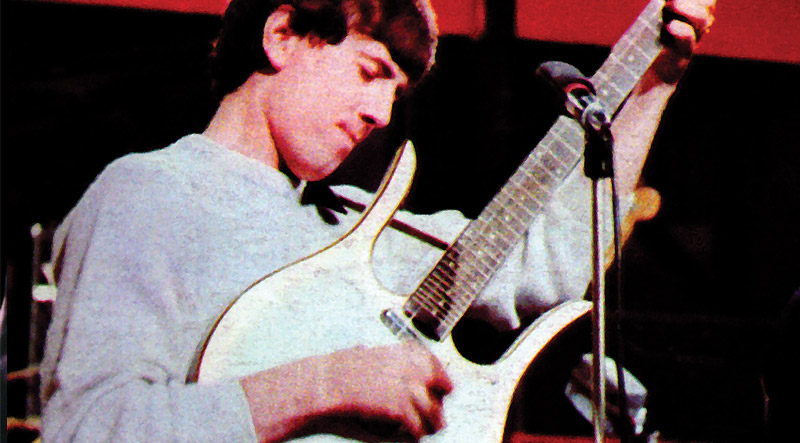
The (Way) Back Beat: Top O’ The Line, For Only $150!
The Immortal Danelectro Guitarlin
Having looked at the most expensive electric guitars offered in 1960s – over 50 years ago. Traditional makers – Gibson, Guild, and Gretsch – concentrated on flashy amplified archtops that retailed up into the $700 to $800 range – beautiful instruments, but not representative of where the electric guitar was going. More forward-looking makers offered…

Whooooo Wal You?
John Entwistle’s fretless ’78 Wal
Wal began building electric basses in the early 1970s as a collaboration between Englishmen Pete Stevens and Ian Waller. Their…

KayKraft Style A
Almost any guitar can be viewed in terms of a confluence of influences that produced it, from the company history…

Jerry Kennedy
A-Team Guitarist, A-List Producer
Jerry Glenn Kennedy, a 13-year-old who recorded for RCA Victor as “Jerry Glenn,” got the shock of his young life…

Gibson GA-80T Vari-Tone
In the late ’50s and early ’60s, Gibson was apparently convinced the Vari-Tone switch was the way of the future,…

Silver Lining
Gibson and the Master Models
Recognized today as visionary, when introduced in 1922, Gibson’s Master Model L-5 and F-5 were expensive to produce and lacked a market. For a time, they placed a considerable burden…

Beat Portraits: Burns Volume 9
Late ’60s: Baldwin And Decline
In early 2009, VG columnist Peter Stuart Kohman turned his focus on Burns, the pioneering British guitar builder. We’ve compiled installments 9, 10, and 11 for this special edition of…

B.C. Rich Eagle
When my son was young I used to do “guitar shows” for his classes, showing off 10 or so electric guitars that started with conventional shapes – a Les Paul…

Gibson GA-83S Stereo-Vib
If you hung around the audio world’s collective R&D room long enough in the late 1950s and early ’60s, you’d have thought that, very soon, everything would be happening in…

1939-’42 Gibson SJ-100
$100 Cowboy Flat-Top
Through the 1910s and early ’20s, Gibson catalogs denigrated flat-top guitars as inferior, unworthy of the company name. But that tune changed in 1926, when it introduced the L-1 and…

The Watkins Dominator
Crying V
Is there any more stylish vintage amp than the V-front Watkins Dominator? This creation is delightfully twee yet utterly enticing – the allure of its blue-and-cream Rexine covering, gold-threaded grillecloth,…
-
Classics: Jeremy Graf’s 1961 Fender Stratocaster
A lifelong vintage-guitar nut who has had “a million guitars,” Jeremy Graf’s all-time favorite is this 1961 Stratocaster. A native of Knoxville, Tennessee, Graf was just seven when, for reasons he doesn’t remember, he asked for an Elvis Presley record. His mother obliged and brought home Elvis’ Golden Records, a compilation of ’50s hits. “That
-
Rising Rockers
Five Alternative Club Classic Amps of the ’50s
In an era when the sub-20-watt combo is arguably the most popular guitar-amp format, it’s worth remembering that several classics of the category emanate from the ’50s. And just as interesting as the well-worn favorites, several lesser-known alternatives were also born in the decade of rock and roll. In the December ’24 issue, we examined
-
Classics: Marc Schoenberger’s Rickenbacker Combo 600
Marc Schoenberger was part of the early-’70s vanguard on the Southern California guitar scene – not as a gigging musician, but among the crowd that raced the 101 freeway to check out old guitars every time a new issue of the Recycler hit the streets. He’d also been repairing guitars for friends and local shops
-
The Supro Thunderbolt S6420
Lightning Strikes
Despite their catalog-grade status, Supro amps have been used by several noteworthy guitarists. For many, the sturdy Thunderbolt is the preferred workhorse. It’s been a long time since Supro amps were any kind of secret find or hidden gem; players have long recognized the eccentric splendors of certain mid-sized examples, with their thumping tremolo and
-
Rickenbacker’s Electric 12-Strings
Double-bound for Glory
George Beauchamp and Adolph Rickenbacher founded Electro String in 1931 to manufacture what everyone would soon call “Rickenbacker” guitars. Success came early and their lap steels set standards of quality, performance, and tone. On the other hand, the company’s electric bass viols and violins excited segments of the industry but never sold well. Same for
-
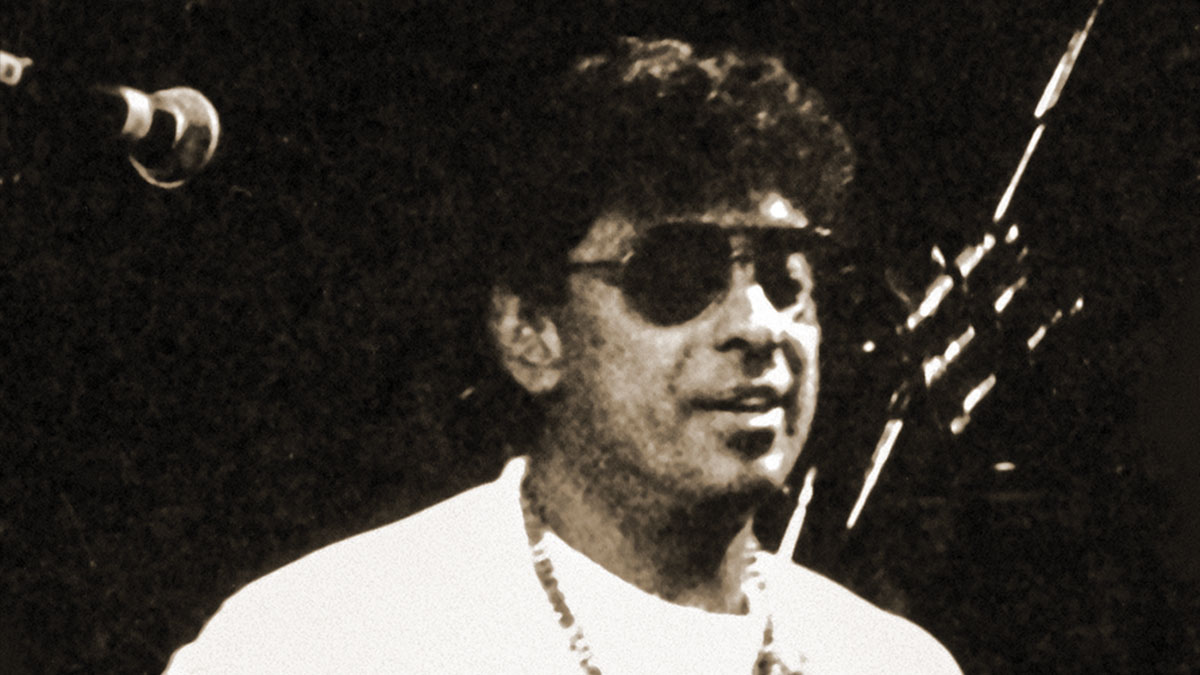
Joey Molland
The word “underrated” is belabored in music journalism, but Joey Molland was just that. As co-guitarist in Badfinger, he was part of a quartet signed to the Beatles’ Apple Records, yielding glorious AM hits like “Come and Get It,” “Day After Day,” and “No Matter What.” The foursome fell into obscurity and tragedy a few
-

McKinley James’ Blues
Family Barn Jam! With his ’82 Gibson 335 running into a Headstrong Corduroy (20-watt/6V6) amp, McKinley James shares a taste of his new album, “Working Class Blues,” with this run at “Call Me Lonesome.” In the October issue, he tells us how the album was made in the family barn with the only backing…
-

Jim Campilongo & Steve Cardenas
Mutual Musical Idiosyncrasies
Steve Cardenas and Jim Campilongo have been playing guitar together for a long time, though the constellations only recently aligned so they could record. Captured on three nights in September of 2022, New Year showcases harmonic personalities merging through atmosphere, reverb, and ancient acoustic guitars. It’s also a meditation on the beauty and strength of…

Wes Beech
Life in The Plasmatics
From the moment he met Rod Swenson and Wendy O. Williams, things for Wes Beech were never really “normal.” Walking…

Wandré Modele Karak
We all recognize that guitars are art, but rarely has the instrument been as consciously approached from this perspective by…

Gretsch 6134 White Penguin
There’s no doubt the White Penguin is one of the rarest Gretsch instruments. It is estimated that no more than…

Fender Super Reverbs from 1963 and ’68
First and Last
Among the many distinct eras of vintage-amp production, Fender’s so-called “blackface” models are legendary. Made from late 1963 until ’67,…