-
Classic Instruments
Classics: Norman Harris
Rare Pioneer
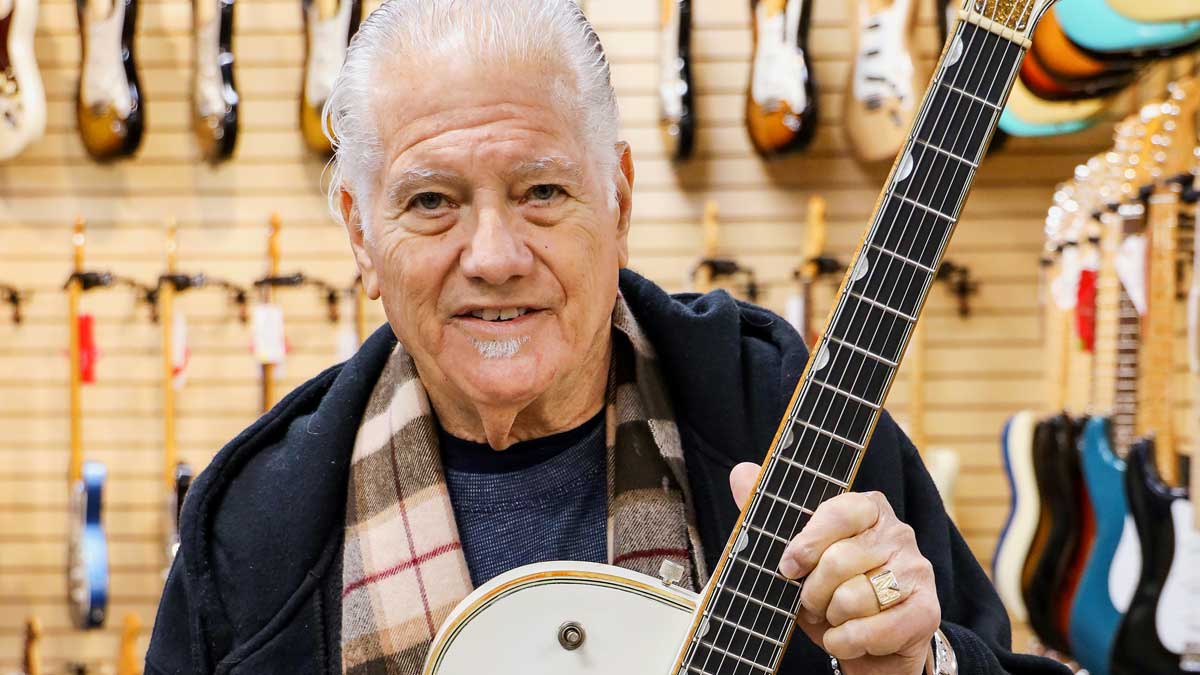
As a teenager who just wanted to play music, Norm Harris lived with the reality that he and his band weren’t going to be millionaires anytime soon. So he did what musicians do – side-hustled. But when most were manning the counter at a music shop or serving tables, Harris was up at the crack
-
Yamaha SA-15
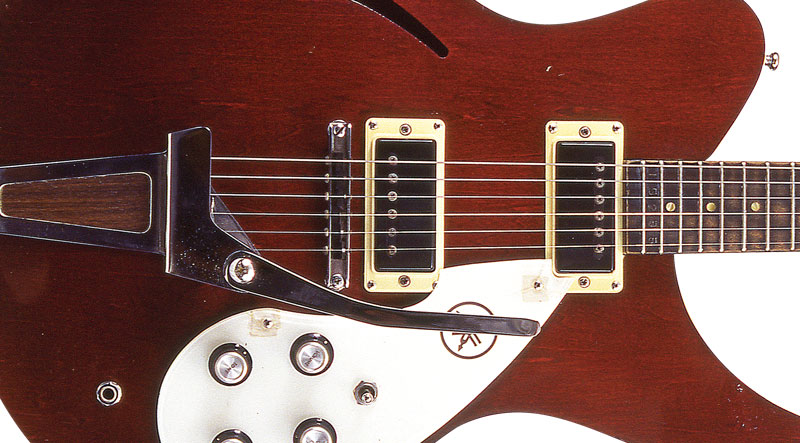
Our perception of Japanese guitars has evolved slowly. At one point, they were cheap toys, at other times imperfect copies, then startling innovations. Perspective encircles the truth. So, how should we perceive the Yamaha SA-15? Japan became interested in guitars in the early 1920s, as some musicians there began to perform what we’d today call…
-

Greg Koch: Gristly “Blues”
Greg Koch: Gristly “Blues” Greg Koch fearlessly wrings the sort of vibrato that only a Tele will tolerate from his ’53 to play this exclusive version of Freddie King’s “The Stumble” flavored with a bit of delay and running into his Tone King Royalist. Inspired by fan requests, it’s just one of the tracks culled…

The Gibson GA-20
Behold, this specimen that checks off all the right boxes for fans of vintage amps; beautifully clean, it has a…

1933 Gibson L-00
While most of the instruments featured in this space are high-end, often elaborately ornamented models that were expensive when new…

22 Classic Modulation Effects
Mod Squad
We celebrate devices that have altered the pitch, intensity, frequency, phase, and other characteristics in the sound, feel, and influence…

Steve Wariner’s ’62 Fender Jazz Bass
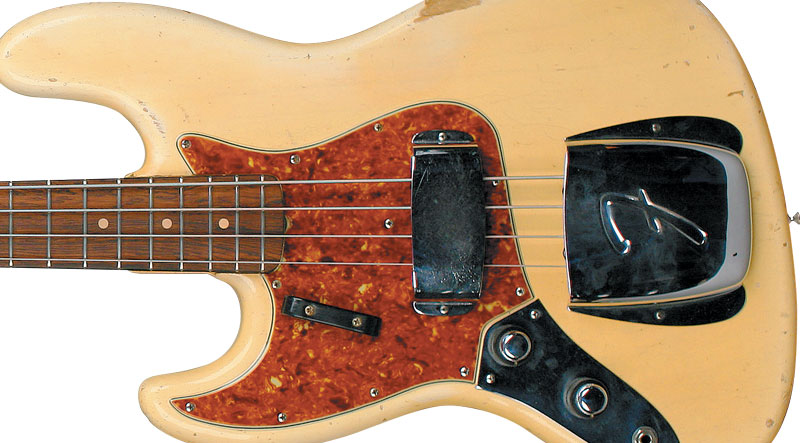
An eye-popping collectible in its own right, this Olympic White ’62 Fender Jazz Bass scores a few points higher on…

Stromberg Master 400
The Stromberg Master 400, measuring a gigantic 19″, is considered by many to be the ultimate orchestral rhythm guitar. The instrument of choice for Freddy Green with the Count Basie…

Renaissance T-200G
What is it about Plexiglas? It’s so cool. You can see through it onstage. It’s dense, yet resonant. You’d think it would be the perfect medium for a mean rock…

Clapton’s Fool
History’s Greatest Guitar?
Eric Clapton’s The Fool. A name immediately recognizable to guitarists, yet baffling to others. What is Clapton’s Fool? Very simply, it is one of the most important and famous electric…

First-Rate Second Fiddles
Jimi’s Gibsons at the Hard Rock Cafe
No two ways about it, as his career hit stride, Jimi Hendrix was a Strat guy. Not famously loyal to any particular guitar going back to his days hustling chitlin-circuit…

The Watkins Dominator
Crying V
Is there any more stylish vintage amp than the V-front Watkins Dominator? This creation is delightfully twee yet utterly enticing – the allure of its blue-and-cream Rexine covering, gold-threaded grillecloth,…
-
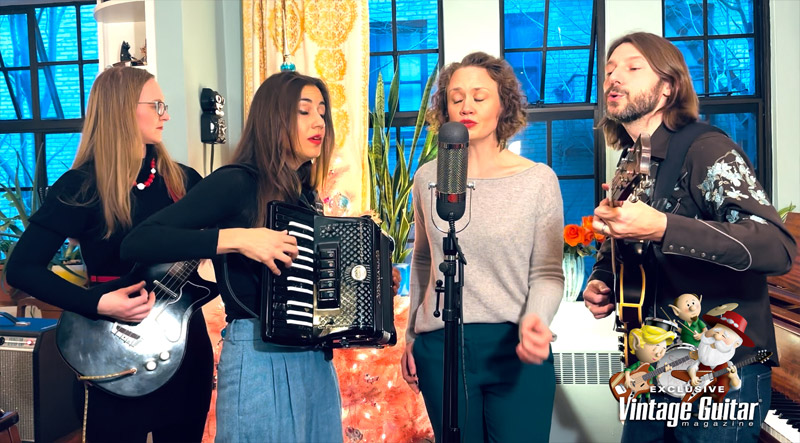
Hilary Gardner returns with a fresh take on a holiday classic!
Hilary Gardner returns! Ready to set the tone for your holidays, Hilary Gardner and her band return for a fantastic take on the classic Elvis hit “Blue Christmas” (written by Billy Hayes and Jay W. Johnson) just for VG followers! Accompanied again by Justin Poindexter and Sasha Papernik, this time they’re joined by Jen Hodge on…
-
The (Way) Back Beat: Top O’ The Line, For Only $150!
The Immortal Danelectro Guitarlin
Having looked at the most expensive electric guitars offered in 1960s – over 50 years ago. Traditional makers – Gibson, Guild, and Gretsch – concentrated on flashy amplified archtops that retailed up into the $700 to $800 range – beautiful instruments, but not representative of where the electric guitar was going. More forward-looking makers offered…

Jussi Jaakonaho’s beguiling “Beauty Box”
Masterful Tapestry Soak it in as Jussi Jaakonaho and his 1970 Gibson SG Standard jam on ”Beauty Box” through a…

The Real Story of Martin’s 14-Fret Orchestra Models
OM Irony
Martin Orchestra Model (OM) guitars made prior to World War II are some of the finest ever made for fingerpicking.…

Jimmy Bryant
Country-Jazz Virtuoso
When Leo Fender strode into a cowboy bar on the outskirts of Hollywood one day in 1950, he had no…

“Buy That Guitar” podcast with special guest Redd Volkaert
Season 03 Episode 03 In Episode 3.3 of “Buy That Guitar,” host Ram Tuli is joined by Redd Volkaert, one of…

Gibson GA-80T Vari-Tone
In the late ’50s and early ’60s, Gibson was apparently convinced the Vari-Tone switch was the way of the future, with its instant access to six different tones. But a…

Fender‘s 50th Anniversary Strat
Height of the Reissue
In celebration of the 50th “birthday” of its famous Stratocaster model, Fender has taken the reissue concept to new heights. And why not? Arguably the most popular guitar – electric,…

Tyler Morris Features a Martin Style 2 1/2-17
Tyler Morris Playing a Martin Style 2 1/2-17 Tyler Morris grabbed his 19th-century Martin Style 2 1/2-17 to play a medley of 20th-century licks. He also digs into the history…

Gibson Grenada Five-string
The Gibson Granada five-string banjo is primarily known for being played by Earl Scruggs, who had an enormous impact on the sound and style of bluegrass music after joining Bill…

Benson Model 300H
Wrecking Ball
Even with all the excellent guitar amps available by the late ’60s, nothing was quite good enough for jazz and studio great Howard Roberts – so he co-designed his own.…

Eight-String Basses
Sonic Niche
Emerging in ’60s catalogs from Hagström and Framus, eight-string basses occupy a distinct place among musical instruments – their potent, dense sound used to add texture or color. An all-mahogany…
-
Classics: Jeremy Graf’s 1961 Fender Stratocaster
A lifelong vintage-guitar nut who has had “a million guitars,” Jeremy Graf’s all-time favorite is this 1961 Stratocaster. A native of Knoxville, Tennessee, Graf was just seven when, for reasons he doesn’t remember, he asked for an Elvis Presley record. His mother obliged and brought home Elvis’ Golden Records, a compilation of ’50s hits. “That
-
Rising Rockers
Five Alternative Club Classic Amps of the ’50s
In an era when the sub-20-watt combo is arguably the most popular guitar-amp format, it’s worth remembering that several classics of the category emanate from the ’50s. And just as interesting as the well-worn favorites, several lesser-known alternatives were also born in the decade of rock and roll. In the December ’24 issue, we examined
-
Classics: Marc Schoenberger’s Rickenbacker Combo 600
Marc Schoenberger was part of the early-’70s vanguard on the Southern California guitar scene – not as a gigging musician, but among the crowd that raced the 101 freeway to check out old guitars every time a new issue of the Recycler hit the streets. He’d also been repairing guitars for friends and local shops
-
The Supro Thunderbolt S6420
Lightning Strikes
Despite their catalog-grade status, Supro amps have been used by several noteworthy guitarists. For many, the sturdy Thunderbolt is the preferred workhorse. It’s been a long time since Supro amps were any kind of secret find or hidden gem; players have long recognized the eccentric splendors of certain mid-sized examples, with their thumping tremolo and
-
Rickenbacker’s Electric 12-Strings
Double-bound for Glory
George Beauchamp and Adolph Rickenbacher founded Electro String in 1931 to manufacture what everyone would soon call “Rickenbacker” guitars. Success came early and their lap steels set standards of quality, performance, and tone. On the other hand, the company’s electric bass viols and violins excited segments of the industry but never sold well. Same for
-
Joey Molland
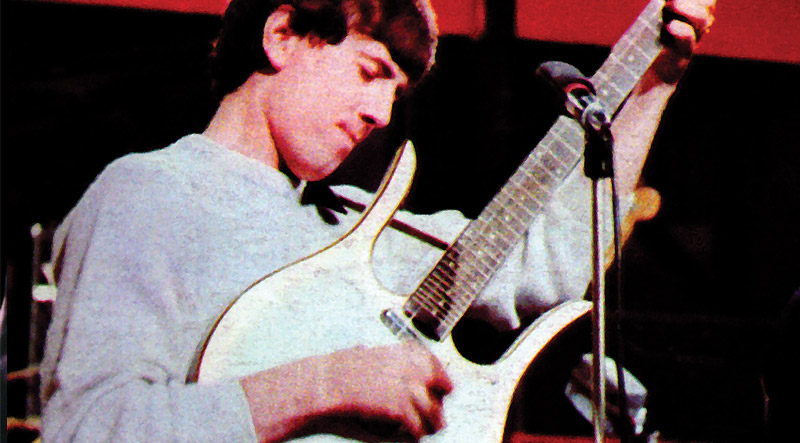
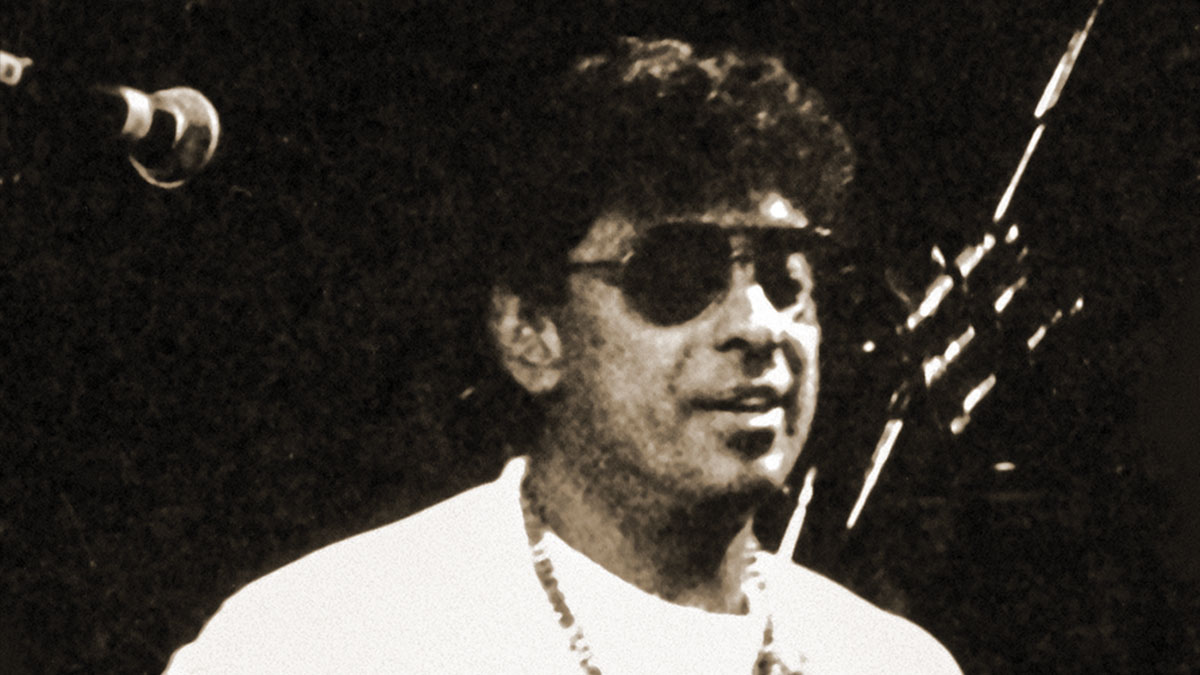
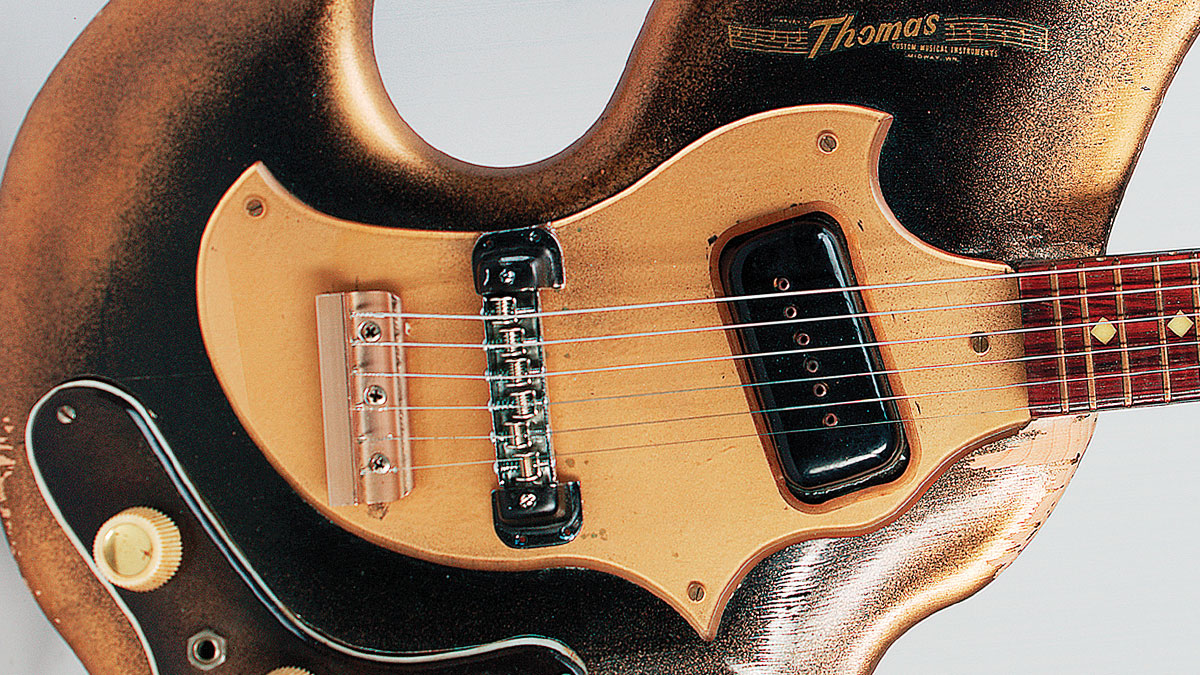
The word “underrated” is belabored in music journalism, but Joey Molland was just that. As co-guitarist in Badfinger, he was part of a quartet signed to the Beatles’ Apple Records, yielding glorious AM hits like “Come and Get It,” “Day After Day,” and “No Matter What.” The foursome fell into obscurity and tragedy a few
-

McKinley James’ Blues
Family Barn Jam! With his ’82 Gibson 335 running into a Headstrong Corduroy (20-watt/6V6) amp, McKinley James shares a taste of his new album, “Working Class Blues,” with this run at “Call Me Lonesome.” In the October issue, he tells us how the album was made in the family barn with the only backing…
-
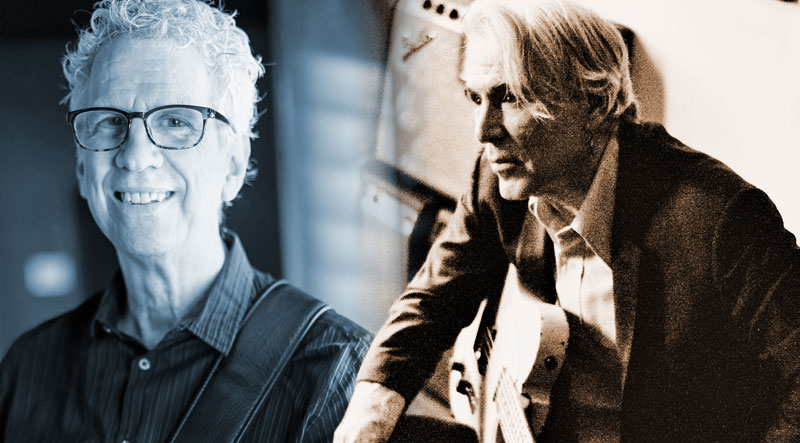
Jim Campilongo & Steve Cardenas
Mutual Musical Idiosyncrasies
Steve Cardenas and Jim Campilongo have been playing guitar together for a long time, though the constellations only recently aligned so they could record. Captured on three nights in September of 2022, New Year showcases harmonic personalities merging through atmosphere, reverb, and ancient acoustic guitars. It’s also a meditation on the beauty and strength of…

Freddie King’s Gibson ES-345 Keeps on Playin’
Family Ties
Watching her baby boy become rapt whenever his grandma played country blues on her guitar, Ella May King had a…

The Fender Master Series
Dan Smith had an idea – a solidbody guitar with routed chambers that would provide unique resonant tonal characteristics. And…

Vahdah Olcott-Bickford and the Martin Style 00-44G
Special Signature
Of the nearly 200 artists who have been granted a “signature” Martin guitar, only one was given their own style…
Stromberg Master 400
The Stromberg Master 400, measuring a gigantic 19″, is considered by many to be the ultimate orchestral rhythm guitar. The…