-
Classic Instruments
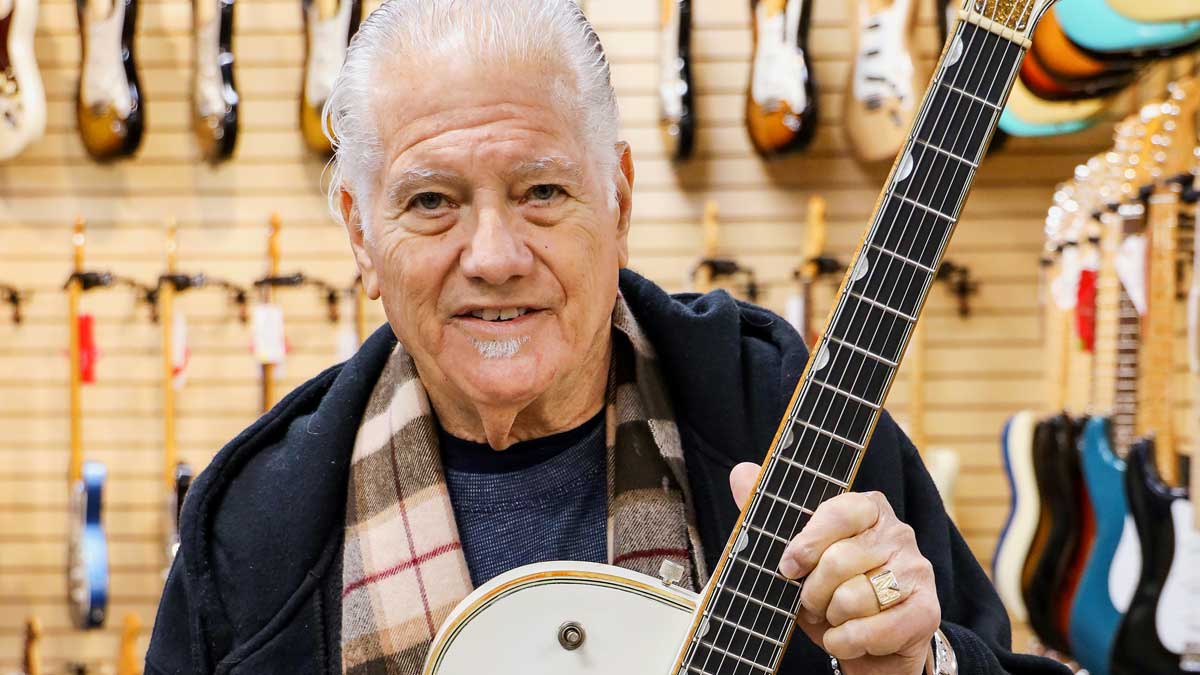
Classics: Norman Harris
Rare Pioneer
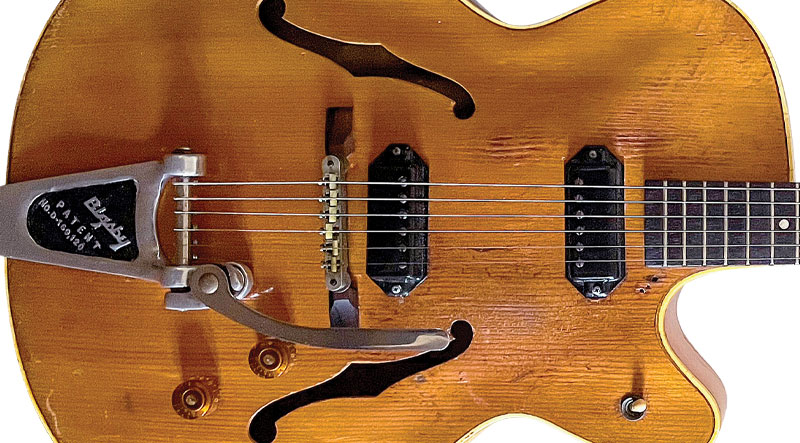
As a teenager who just wanted to play music, Norm Harris lived with the reality that he and his band weren’t going to be millionaires anytime soon. So he did what musicians do – side-hustled. But when most were manning the counter at a music shop or serving tables, Harris was up at the crack
-
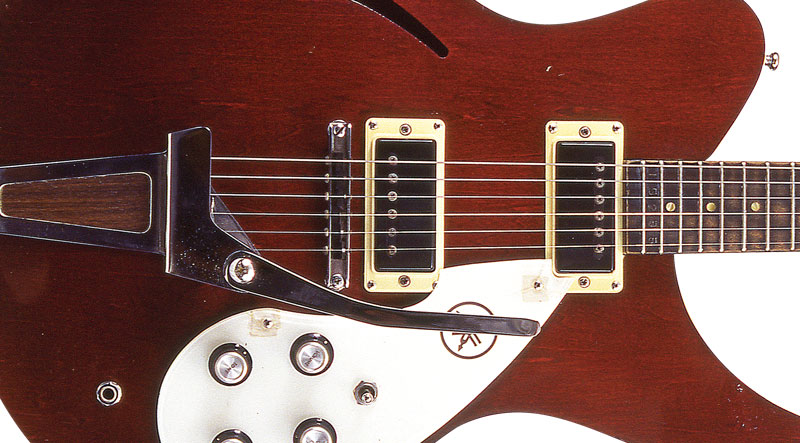
Yamaha SA-15
Our perception of Japanese guitars has evolved slowly. At one point, they were cheap toys, at other times imperfect copies, then startling innovations. Perspective encircles the truth. So, how should we perceive the Yamaha SA-15? Japan became interested in guitars in the early 1920s, as some musicians there began to perform what we’d today call…
-

Greg Koch: Gristly “Blues”
Greg Koch: Gristly “Blues” Greg Koch fearlessly wrings the sort of vibrato that only a Tele will tolerate from his ’53 to play this exclusive version of Freddie King’s “The Stumble” flavored with a bit of delay and running into his Tone King Royalist. Inspired by fan requests, it’s just one of the tracks culled…

1942 Martin D-45
The Martin D-45, offered from 1933 through 1942, is well-known as the Holy Grail of acoustic guitars. While players and…

EKO 995
The Beatles’ appearance on “The Ed Sullivan Show” in February of 1964 is often referred to as the most important…

Robin’s ’80s Import Basses
While the Robin guitar brand’s reverse “imported then domestic” chronology has been documented in this space, the basses shown here…

Matchless JJ-30
Stage Staunch
Rare and sought-after, in part because only about 40 were built, the Matchless JJ-30 John Jorgenson is the only Signature…

Cry, Baby!
The Story of the Vox Wah
Beyond being crowned “Album of the Century” by Time magazine, Marley and the Wailers’ 1977 LP Exodus is a wah-wah masterpiece thanks to Junior Marvin and his Thomas Organ Cry…

The Airline GIM 9151A
After The Fall
1970 Montgomery Ward Airline GIM 9151A Preamp tubes: three 12AX7 Output tubes: four 6L6GC Rectifier: solid-state Controls: Volume, Treble, Bass on each of two channels Output: approximately 40…

Pandemic Peak?
The Guitar Market’s “Covid Surge”
In the September ’20 issue, VG surveyed guitar dealers to learn how they’d been impacted by the early weeks of the Covid 19 pandemic. Times were uncertain, and by March…

Sue Foley
Femme Flamenco
In a time when pop-music performers rely heavily on post-recording fix-ups and pre-recorded tracks onstage, it’s refreshing – even admirable – when someone takes the “honest road.” Singer/guitarist Sue Foley…

The Charvel Model 4
Certain guitar brands develop a mystique among aficionados – sometimes it’s even deserved! Somewhere on this continuum lie Charvel USA guitars made in the early ’80s in San Dimas, California.…
-
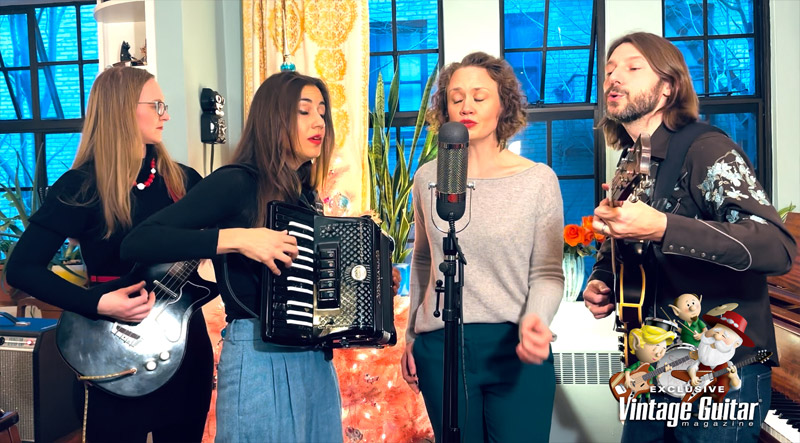
Hilary Gardner returns with a fresh take on a holiday classic!
Hilary Gardner returns! Ready to set the tone for your holidays, Hilary Gardner and her band return for a fantastic take on the classic Elvis hit “Blue Christmas” (written by Billy Hayes and Jay W. Johnson) just for VG followers! Accompanied again by Justin Poindexter and Sasha Papernik, this time they’re joined by Jen Hodge on…
-
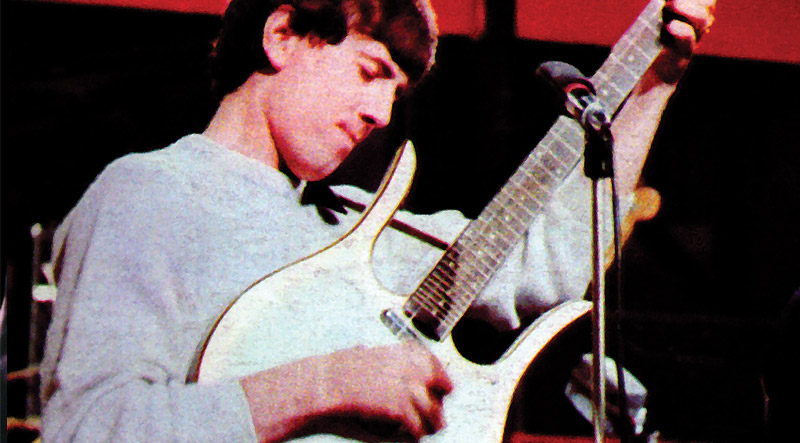
The (Way) Back Beat: Top O’ The Line, For Only $150!
The Immortal Danelectro Guitarlin
Having looked at the most expensive electric guitars offered in 1960s – over 50 years ago. Traditional makers – Gibson, Guild, and Gretsch – concentrated on flashy amplified archtops that retailed up into the $700 to $800 range – beautiful instruments, but not representative of where the electric guitar was going. More forward-looking makers offered…

D’Aquisto New Yorker Classic
During his 30-plus years as an independent guitarmaker, James L. D’Aquisto was acclaimed as the premier maker of archtop guitars.…

The Rickenbacker 4000
The model 4000 was not only Rickenbacker’s first foray into the electric-bass market, it was decidedly different from Fender’s Precision…

VG Q&A: Parlor Mystery
Plus, a Pro’s List of Repair Glues
My neighbor has an old parlor guitar that he asked me to clean up after years in storage. Inside the…

Classics: October 2023
Michael Bloomfield 1963 Fender Stratocaster
Antonio Mazzara’s passion for music started at age 10, when he started playing a nylon-string classical guitar before moving up…

The Dallas Rangemaster
Eric Clapton christened it “woman tone.” On the famed 1966 “Beano” album, John Mayall’s Blues Breakers With Eric Clapton, the guitarist ran his Les Paul Standard into a Marshall Model…

Eko’s “Celluloid” ’60s Basses
Cool or Gaudy?
By the early 1960s, Europe’s industrial bases had mostly recovered from World War II. Many musical-instrument manufacturers stuck to products popular in their respective countries, but some were innovating, especially…

Out-Stratting the Strat
The Story of the G&L S-500
It would be an understatement to say that Leo Fender, with the help of George Fullerton, was prolific in the years after he sold Fender Electric Instruments. The tag team…

How Ron Wood’s New Barbarians Saved the Stones
Ear-to-Ear Violence
Today, the Rolling Stones continue to perform live, more than 50 years since their first gig. But few realize how an unsung side project formed and funded by Ron Wood…

Gibson’s Earliest Dreadnought?
Gibson was a late entry into the flat-top guitar market, offering its first model in 1926, but Gibson was a pioneer in developing a dreadnought-sized flat-top, as illustrated by this…

Gibson Marauder M-1
Every once in awhile, someone in Gibson R&D gets a brainstorm like, “I know! Why don’t we make a bolt-neck guitar!” So they do. And the result is almost always…
-
Classics: Jeremy Graf’s 1961 Fender Stratocaster
A lifelong vintage-guitar nut who has had “a million guitars,” Jeremy Graf’s all-time favorite is this 1961 Stratocaster. A native of Knoxville, Tennessee, Graf was just seven when, for reasons he doesn’t remember, he asked for an Elvis Presley record. His mother obliged and brought home Elvis’ Golden Records, a compilation of ’50s hits. “That
-
Rising Rockers
Five Alternative Club Classic Amps of the ’50s
In an era when the sub-20-watt combo is arguably the most popular guitar-amp format, it’s worth remembering that several classics of the category emanate from the ’50s. And just as interesting as the well-worn favorites, several lesser-known alternatives were also born in the decade of rock and roll. In the December ’24 issue, we examined
-
Classics: Marc Schoenberger’s Rickenbacker Combo 600
Marc Schoenberger was part of the early-’70s vanguard on the Southern California guitar scene – not as a gigging musician, but among the crowd that raced the 101 freeway to check out old guitars every time a new issue of the Recycler hit the streets. He’d also been repairing guitars for friends and local shops
-
The Supro Thunderbolt S6420
Lightning Strikes
Despite their catalog-grade status, Supro amps have been used by several noteworthy guitarists. For many, the sturdy Thunderbolt is the preferred workhorse. It’s been a long time since Supro amps were any kind of secret find or hidden gem; players have long recognized the eccentric splendors of certain mid-sized examples, with their thumping tremolo and
-
Rickenbacker’s Electric 12-Strings
Double-bound for Glory
George Beauchamp and Adolph Rickenbacher founded Electro String in 1931 to manufacture what everyone would soon call “Rickenbacker” guitars. Success came early and their lap steels set standards of quality, performance, and tone. On the other hand, the company’s electric bass viols and violins excited segments of the industry but never sold well. Same for
-
Joey Molland
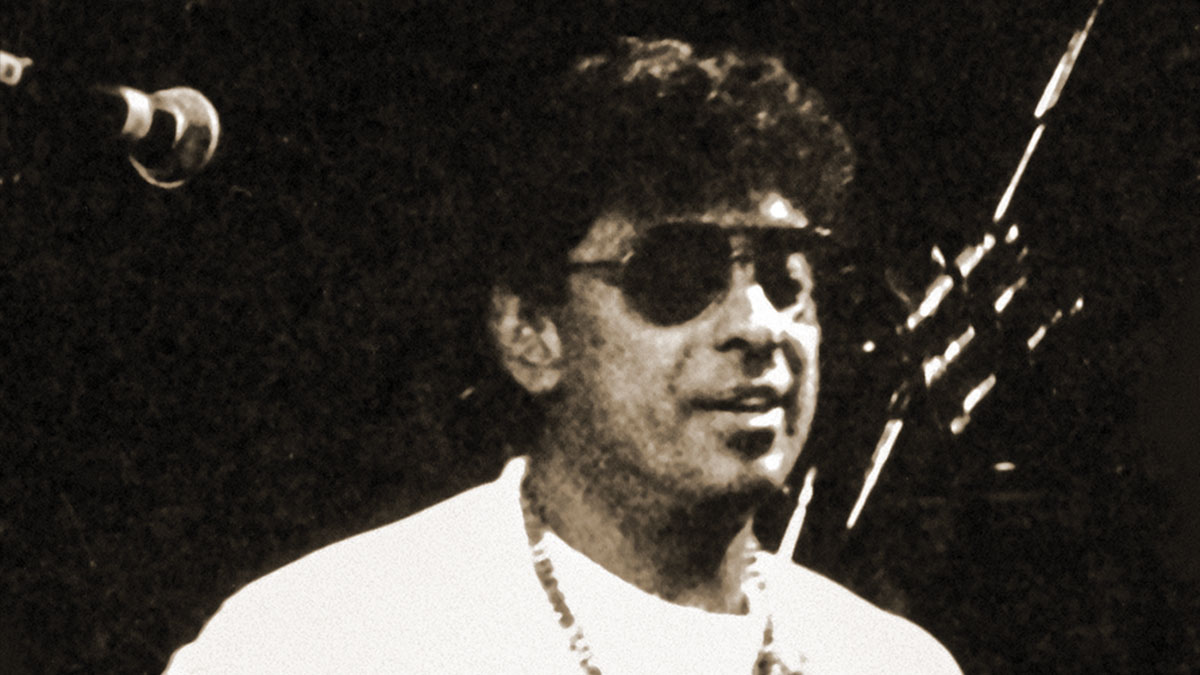
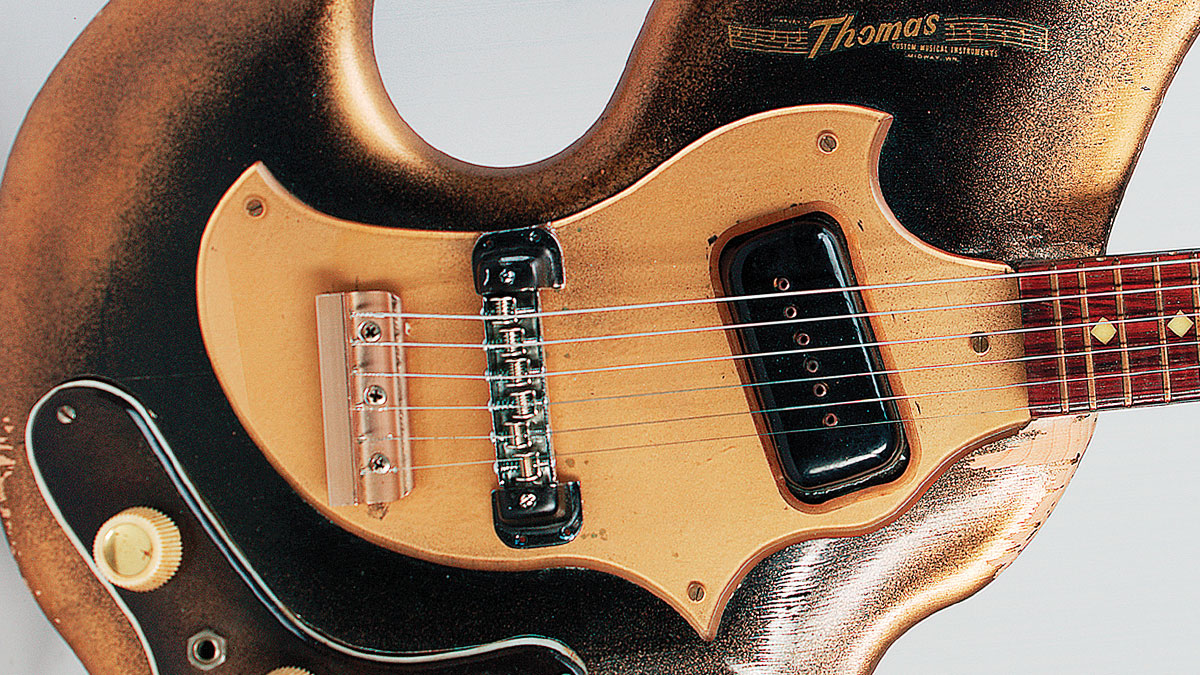
The word “underrated” is belabored in music journalism, but Joey Molland was just that. As co-guitarist in Badfinger, he was part of a quartet signed to the Beatles’ Apple Records, yielding glorious AM hits like “Come and Get It,” “Day After Day,” and “No Matter What.” The foursome fell into obscurity and tragedy a few
-

McKinley James’ Blues
Family Barn Jam! With his ’82 Gibson 335 running into a Headstrong Corduroy (20-watt/6V6) amp, McKinley James shares a taste of his new album, “Working Class Blues,” with this run at “Call Me Lonesome.” In the October issue, he tells us how the album was made in the family barn with the only backing…
-
Jim Campilongo & Steve Cardenas
Mutual Musical Idiosyncrasies
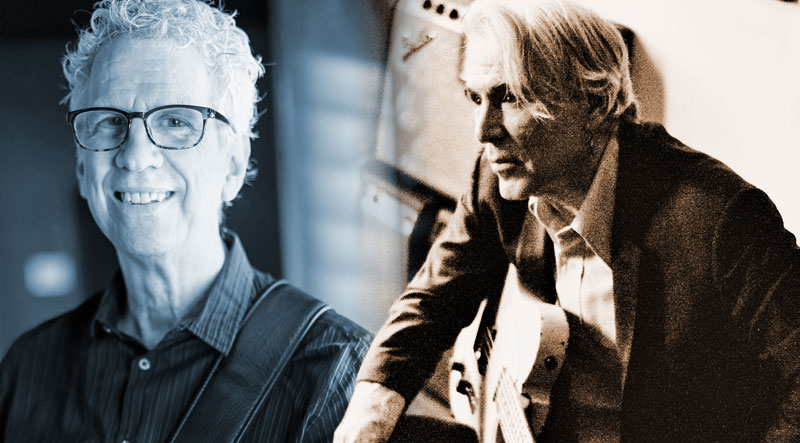
Steve Cardenas and Jim Campilongo have been playing guitar together for a long time, though the constellations only recently aligned so they could record. Captured on three nights in September of 2022, New Year showcases harmonic personalities merging through atmosphere, reverb, and ancient acoustic guitars. It’s also a meditation on the beauty and strength of…

Classics: August 2022
Billy Soutar’s custom-order 1936 Gibson L-7
While scanning an Elderly Instruments ad in Vintage Guitar one day in early 2009, Billy Soutar spotted the description of…

The Yosco No. 2
Tenor Banjo
The banjo and American music cross paths in a remarkably entangled web of complexity. The banjo was brought to the…

Mel Bay D’Aquisto
Teacher’s Aid
Melbourne “Mel” Bay (1913-1997) began his musical career at the age of 13 in his hometown of Bunker, Missouri. Largely…

Gibson Super 400 PN
The Gibson Super 400 Premiere cutaway acoustic first appeared in Gibson literature in the 1940 catalog, on a page showing…