-
Dave Hunter
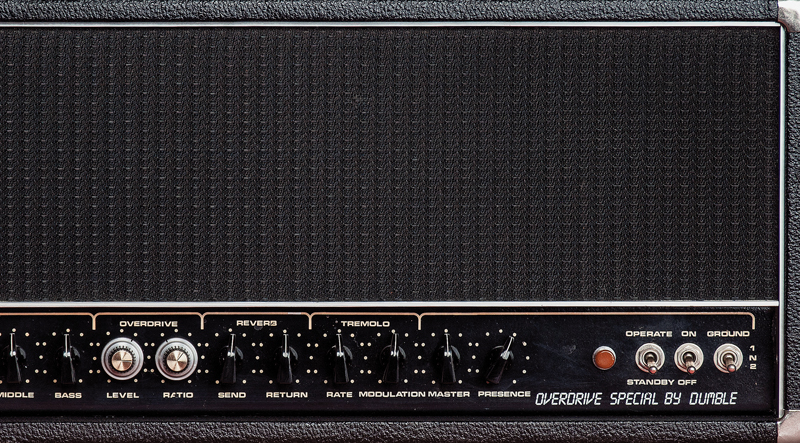
Dumble Overdrive Special OD150 WR
Alexander Dumble’s creations were already established as legendary when we probed our first example in this space back in May of 2011. Since that time, however, Dumbles have become the hot ticket for cloners on the boutique scene, and originals are perhaps the hottest amps on the vintage market. The difference in price between used
-
Dave Hunter
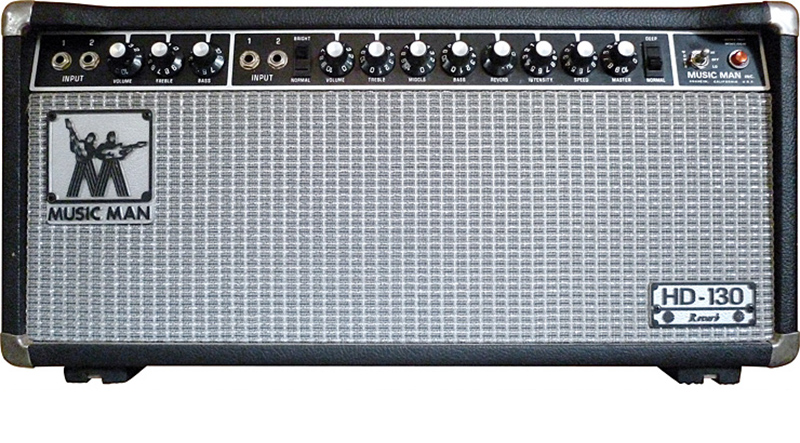
Music Man HD-130 Reverb
Intended to be the masterpiece of a titan in guitar-amp design, Music Man amps of the mid/late ’70s are all too easily mistaken for copies or wannabes chasing a market leader. Far from it, however, this flagship model really is the final evolution in a sonic goal Leo Fender had been working toward for three
-

Dave Hunter
The Watkins Clubman
The hokey, amphetamine-tempo’d folk music known as “skiffle” was all the rage with Britain’s youth in 1955, and rock and roll barely yet a glimmer in the collective eye, when this outrageously stylish Watkins Clubman hit the scene. Admittedly, the Clubman’s chintzy, pre-rock aesthetic is a big part of what makes it so appealing. Dubbed
-
Dave Hunter
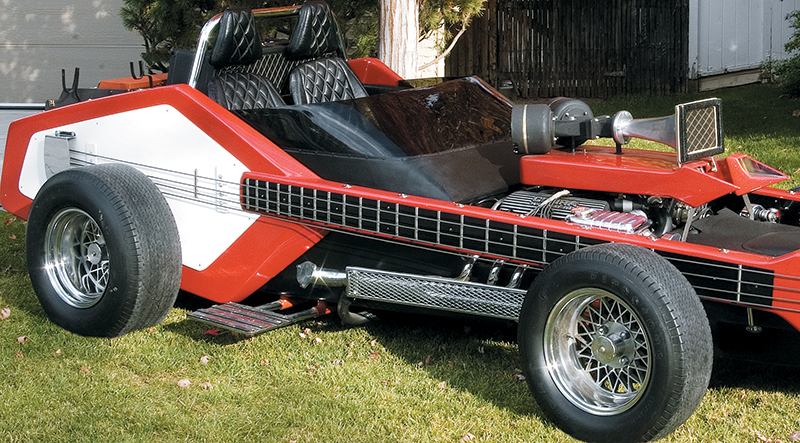
The Voxmobile
Too Fast to Live, Too Cool to Die
Free love, slick guitars, hot cars! Few pieces of late-’60s pop culture were anywhere near as hip and groovy as this marketing stroke of genius.
-
Dave Hunter
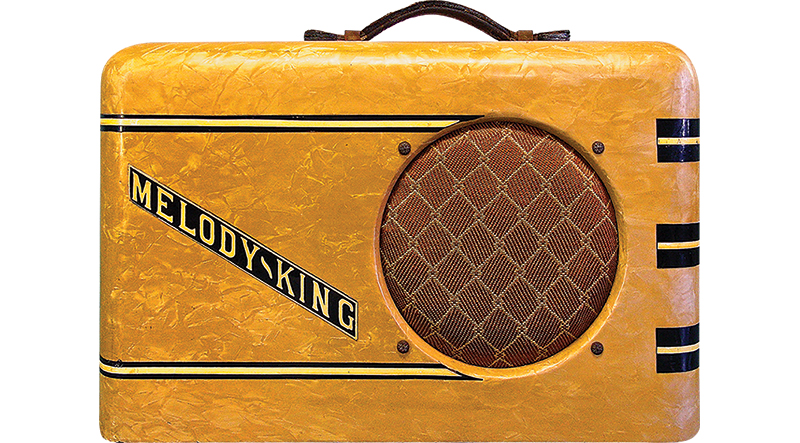
Dickerson Melody King
Few who love vintage amps can resist its art-deco appeal, let alone its luscious hand-wiring and edgy, touch-sensitive 6V6 tone. A tweed Champ doesn’t stand a chance in a cage fight.
-
Dave Hunter
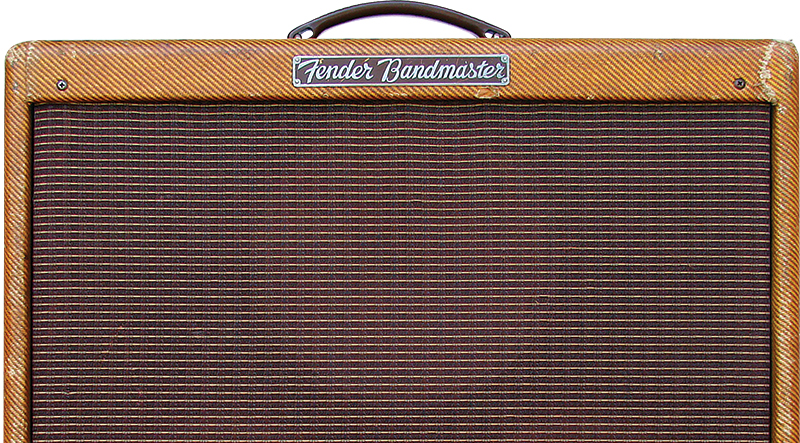
Fender’s 5E7 Bandmaster
There’s something about the 3×10 Bandmaster that drives vintage-Fender nuts gaga. Introduced in 1953, it underwent substantial design changes in its first few years, earning status as a true classic every step along the way.
-
Dave Hunter
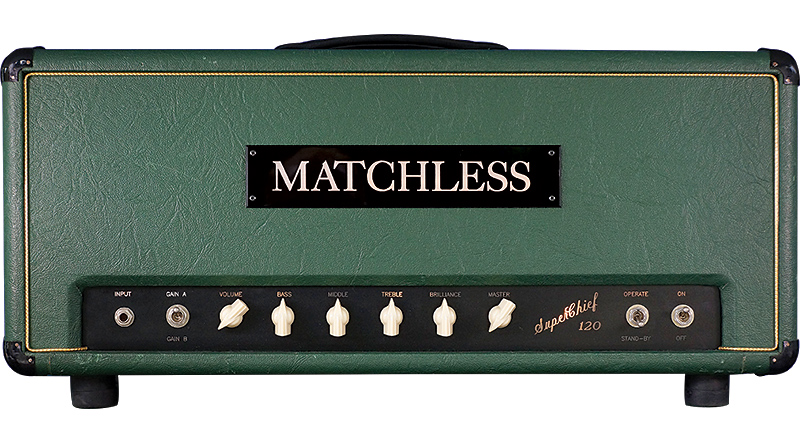
Matchless Superchief 120
A maker at the forefront of the “boutique amp” movement, Matchless is known for its Class-A designs – that is, cathode-biased amps with no negative feedback, which take the Vox formula to new places. Over years of listening to conversations regarding “the most powerful amp you ever played” and such, one model is mentioned time
-

Dave Hunter
Recording Acoustic Guitars
The Art of Home Recording
Recording an acoustic guitar is very different from recording an electric, employing different microphones, placement, and technique. Here are a few essential steps.
-
Dave Hunter
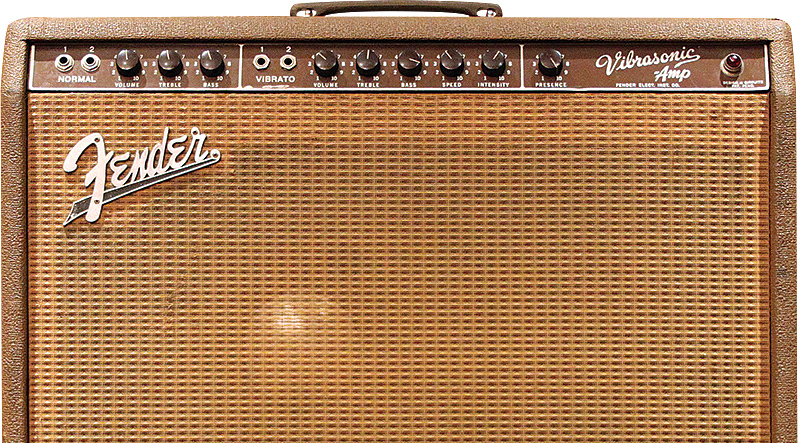
Fender 6G13-A Vibrasonic
Amid the classics in Fender’s “golden-era” amp line, some remained in production only a short time because of timing, misjudgment of the market, or both. Such is the case with this brownface model.
-
Dave Hunter
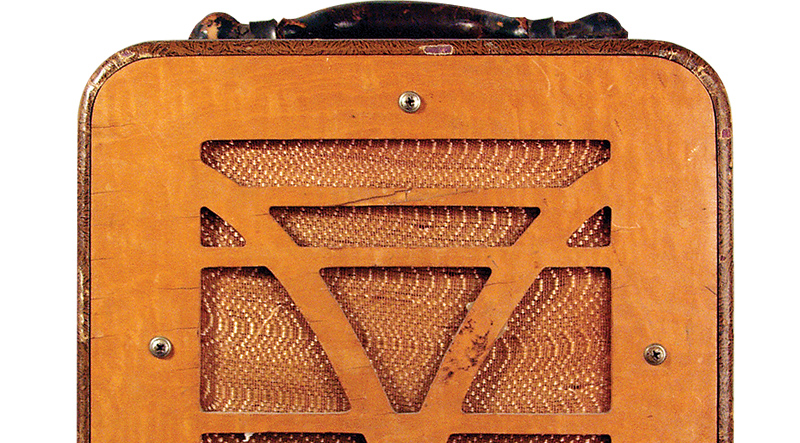
Vega Model 120
Viewed from our contemporary perspective, it’s difficult to fully appreciate how different the music scene in general – and the guitar scene in particular – was back in the early part of the last century. When the electric guitar hit the ground as a viable entity in the mid 1930s, everything was up for grabs…