-

Michael Wright
Yamaha Weddington Custom
A Better “Classic”
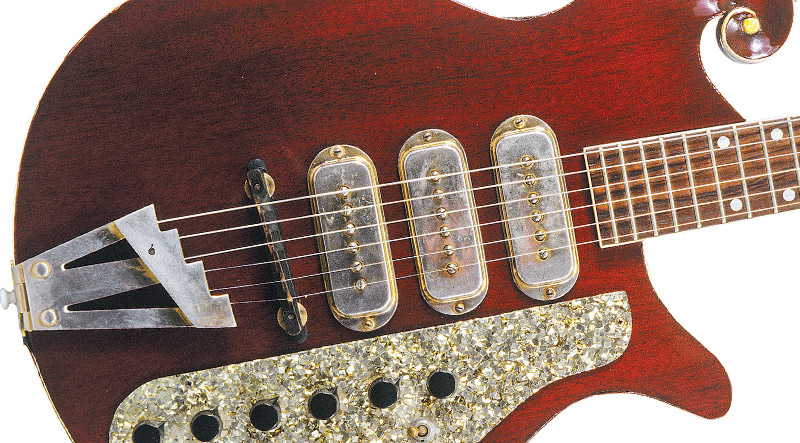
In 1987, classic American guitars like the Les Paul and Stratocaster were still going strong, with few changes since their first appearance in the early ’50s. Thus it was a little cheeky when Yamaha tried to improve on these “dinosaurs” (as their ads put it), but the result was one of the company’s most-successful guitars,
-
Michael Wright
1962 Premier E-727
One of the least un-derstood aspects of American guitar history is the role of musical instrument distributors. It’s one thing to be able to manufacture guitars, but quite another to get them to customers, especially in an era when your purchase was likely to be from a local store or teacher (excepting mail order). Enthusiasts
-
Michael Wright
VG Q&A: Odd Dots
Import fretboard markers, and Kay’s Model 1961
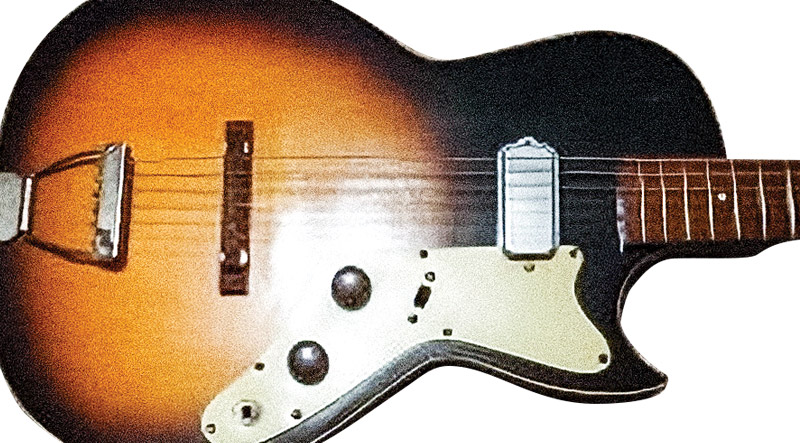
In the mid ’60s, why did some Japanese electric-guitar manufacturers put the marker on the 10th fret rather than the ninth? – Joe Bigley Very few Japanese makers put dot markers at the 10th fret. A survey of numerous catalogs of Japanese builders and American distributors from the early to mid ’60s turned up only
-
Michael Wright
The Höfner Model 485G
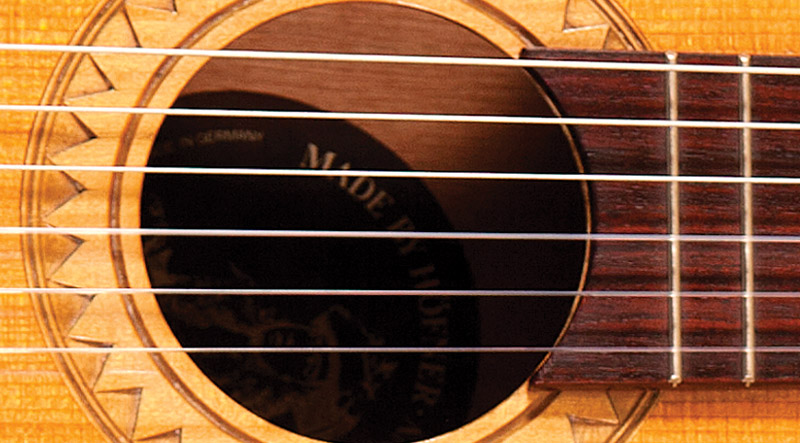
At the end of World War II, the town of Schönbach, in western Bohemia, became Luby, Czechoslovakia, and the people of German ethnicity were expelled. The changes affected the fortunes of more than Framus and Tatra guitars – it also redirected the trajectory of Höfner guitars, perhaps best known for the “Beatle bass” played by
-
Michael Wright
Rex Solidbody
Italian Connection
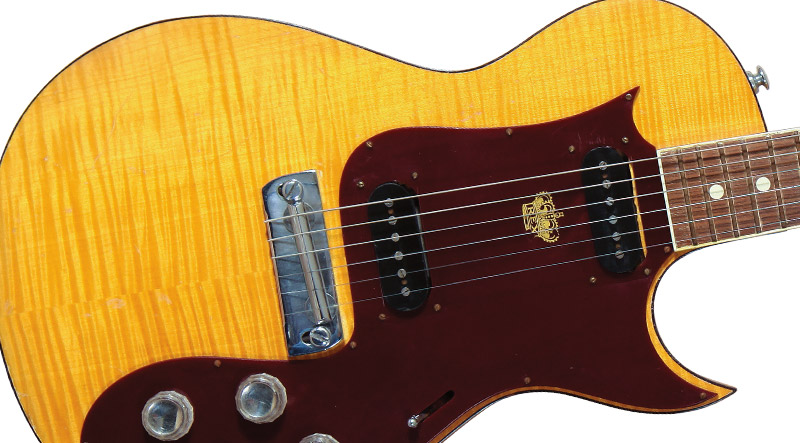
An internet search for “Rex guitars” will turn up a fair – if confusing – amount of information about the brand used on budget guitars and banjos made by Gretsch beginning in the early 20th century. On and off from the mid 1930s until the mid ’50s, Gretsch subcontracted construction of Rex instruments to Harmony
-
Michael Wright
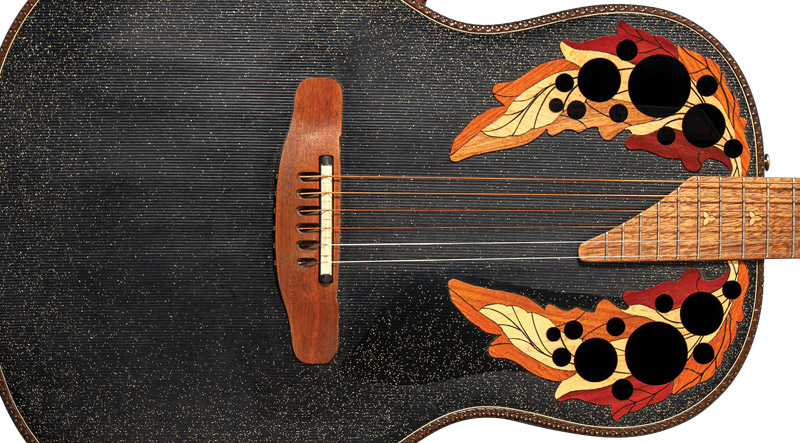
The Ovation Adamas II
What do you get when you cross a helicopter with a Martin dreadnought? Easy answer – Ovation guitars, perhaps the greatest champion of alternative materials in an age when traditional woods like Brazilian rosewood and Honduran mahogany have become virtually extinct. Among Ovation’s alt-material creations, the Adamas is the ultimate expression. The father of Ovation
-
Michael Wright
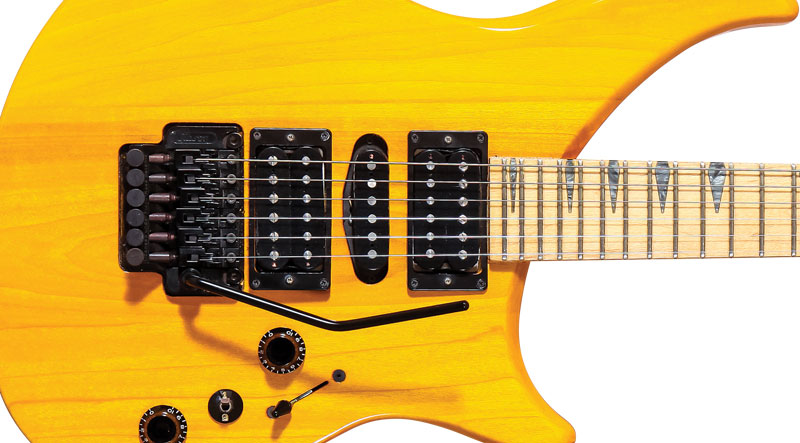
Gibson M-III Standard
Missing the Mark(et)
Gibson’s bread and butter has long been tried-and-true designs that represent remarkable innovations – even if they date back to the 1950s. This is testament to how good those innovations really were! Guitars like this M-III Standard prove the company has also never shied from new ideas. Squeezing maximum tone from pickups has been an
-
Michael Wright
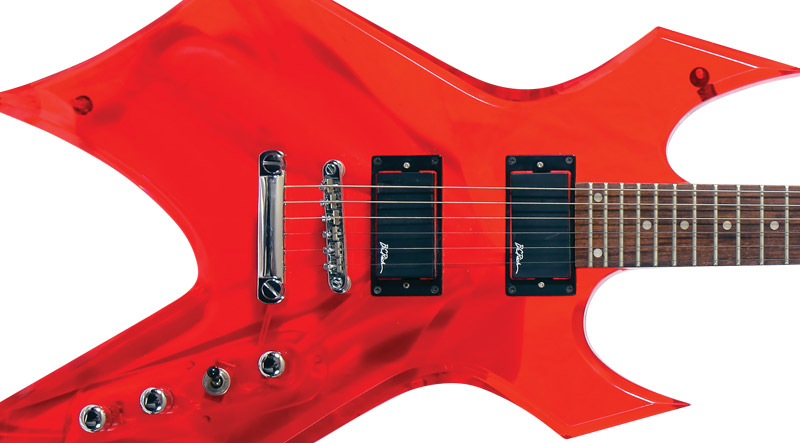
B.C. Rich Acrylic Warlock
Most industries know a great idea when they see it and aren’t shy about jumping on a bandwagon. In 1969, an electric guitar made out of translucent acrylic proved it. The materials and processes that ultimately yielded acrylic were discovered in the late 18th century, but modern polymethyl methacrylate (acrylic glass) was invented in the
-
Michael Wright
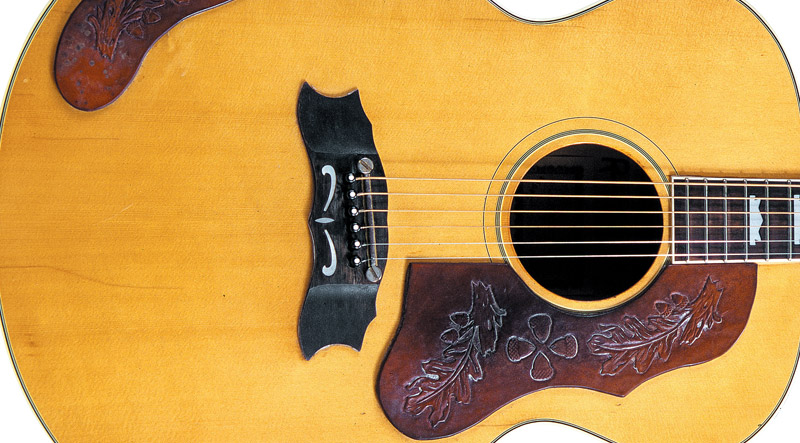
Penco A-15-JD
The 1970s is often called “the Copy Era” for the dominating presence and spectacular success of Japanese “copies” of popular American guitars, most notably of the Gibson Les Paul. Indeed, it was with these “copies” that many Japanese manufacturers honed their chops and became world-class guitar makers. In fact, it was a lawsuit filed by
-
Michael Wright
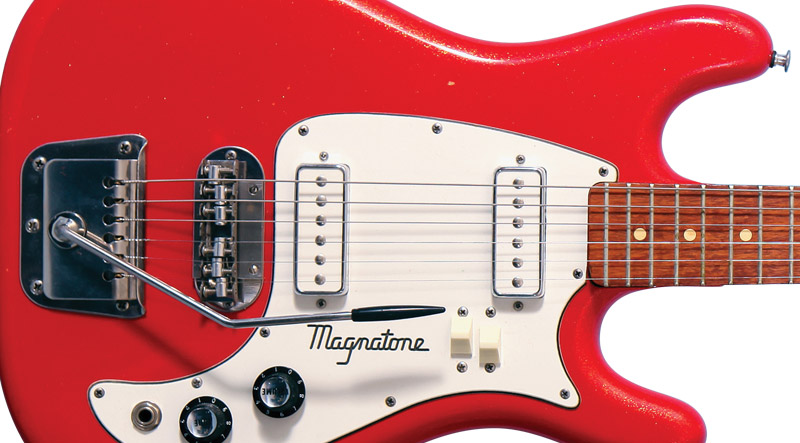
Magnatone X-5 Zephyr
Last Gasp
Ever since Lonnie Mack unleashed The Wham of That Memphis Man and Buddy Holly sang “Peggy Sue,” Magnatone amplifiers have been the stuff of legend. Magnatone guitars, on the other hand, are one of guitardom’s best-kept secrets. The Magnatone story starts at the small Dickerson Brothers factory near the heart of the Los Angeles music