-
Willie G. Moseley
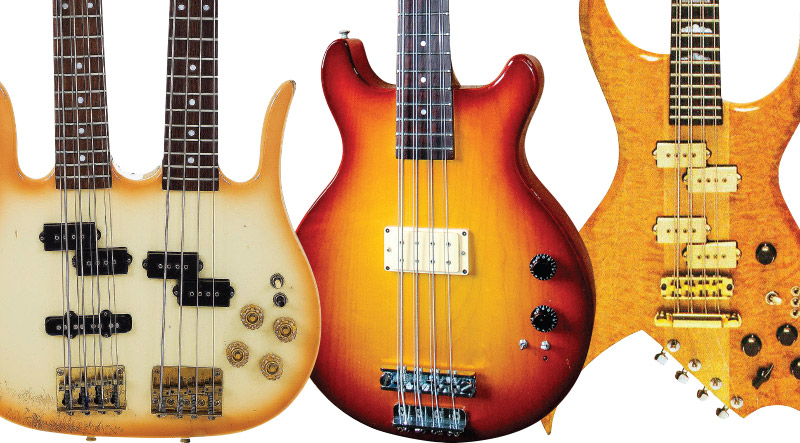
Eight-String Basses
Sonic Niche
Emerging in ’60s catalogs from Hagström and Framus, eight-string basses occupy a distinct place among musical instruments – their potent, dense sound used to add texture or color. An all-mahogany solidbody with a short-scale 21-fret rosewood fretboard, Hagström’s H8 was best-known for being played by Noel Redding of the Jimi Hendrix Experience, who used one
-
Willie G. Moseley
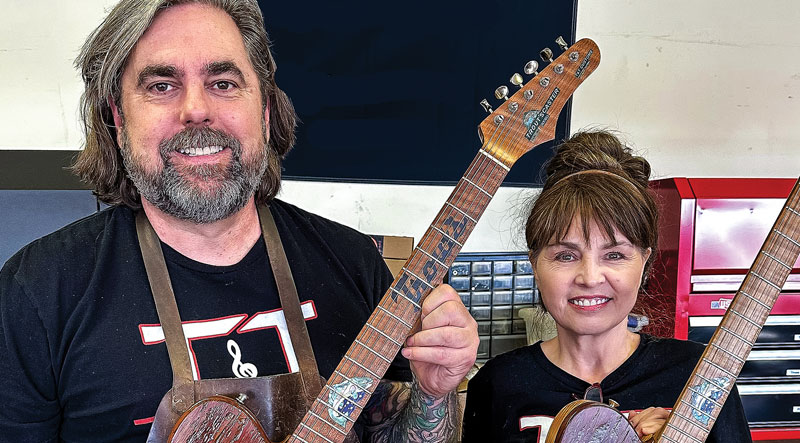
Honkytonk Homage
Guitars Venerate Bakersfield Landmark
Country-music fans familiar with the history of Bakersfield, California, know of Trout’s nightclub. The last of the venues that gave birth to the “Bakersfield sound” epitomized by the twang of a Telecaster in the hands of Merle Haggard or Red Simpson, many stars strode its stage. Other legendary nightspots included the Blackboard, Lucky Spot, the
-

Willie G. Moseley
In Memoriam: Michael Rhodes
Michael Rhodes, a bassist who for decades appeared on recordings by elite Nashville talent, died March 4 after battling pancreatic cancer. He was 69. Rhodes’ prolific career in Music City began in the late ’70s, and he worked with dozens of singers and musicians. Highly sought as a recording and touring bassist, he usually played
-
Willie G. Moseley
Wayne Kramer 1948-2024
Guitarist and activist Wayne Kramer, best known as a founder of the iconic Detroit hard-rock band MC5, died in a Los Angeles hospital on February 2. He was 75 and battled pancreatic cancer. A Detroit native, Kramer nurtured his musical aspirations by absorbing influences from Motown and the early days of rock and roll, then
-
Willie G. Moseley
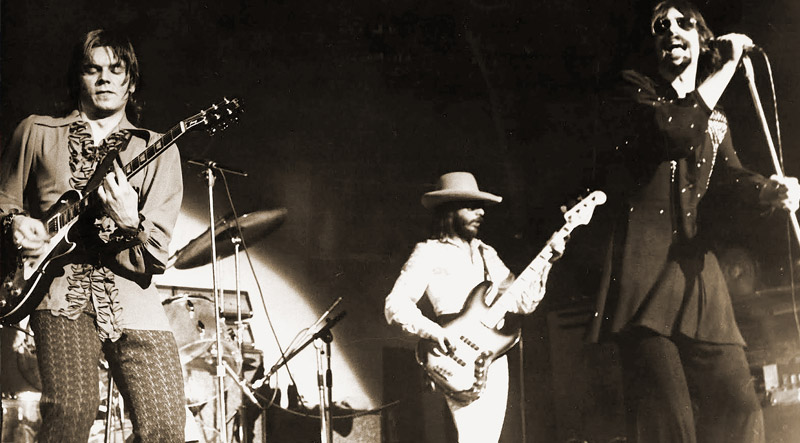
Pop ’N Hiss: The J. Geils Band’s “Live” Full House
Detroit Get-Down
You heard of the Boogaloo?” singer Peter Wolf bellows as the J. Geils Band roars through “Hard Drivin’ Man.” “You heard of the Boston Monkey? You heard of the Philly Freeze? We got the Detroit Demolition here tonight!” Recorded April 21 and 22, 1972, at Detroit’s Cinderella Ballroom, the J. Geils Band’s “Live” Full House
-
Willie G. Moseley
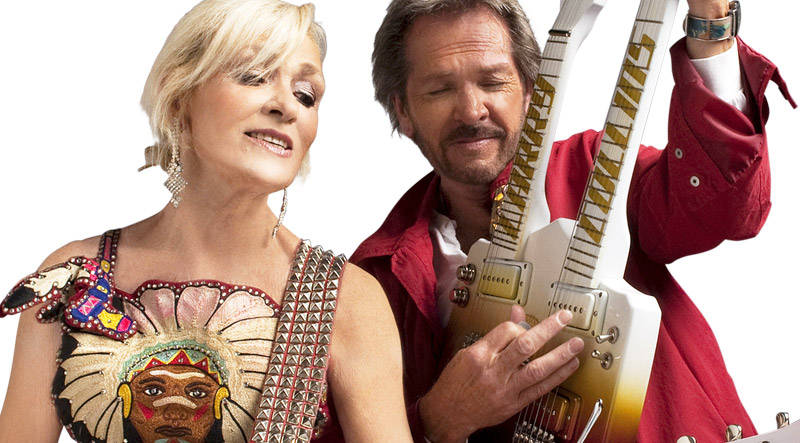
The Collins Kids
Mostly-Moseley Memories
Siblings Lorrie and Larry Collins sprang into the public eye in the mid 1950s – dawn of the television era – on a program called “Town Hall Party.” The big-sister/little-brother act starred Lorrie on acoustic guitar, backing the prodigous Larry, who showed off his fleet-fingered style. Add the mentorship of co-stars Joe Maphis and Merle
-
Willie G. Moseley
Guy Pratt
Rickenbackers and a Resistance
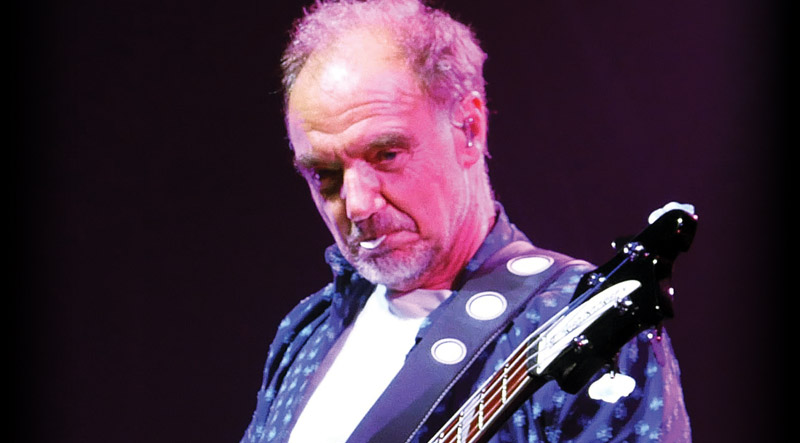
Guy Pratt has been the bass player for Pink Floyd since signing on for the tour to support 1987’s A Momentary Lapse of Reason. With the gig came a rapid accumulation of basses. “I arrived for rehearsals in Toronto with the paltry stable of a Steinberger, a Status II fretless, and ‘Betsy’ – my ’64
-
Willie G. Moseley
Kansas’ Leftoverture
Iconic American Prog
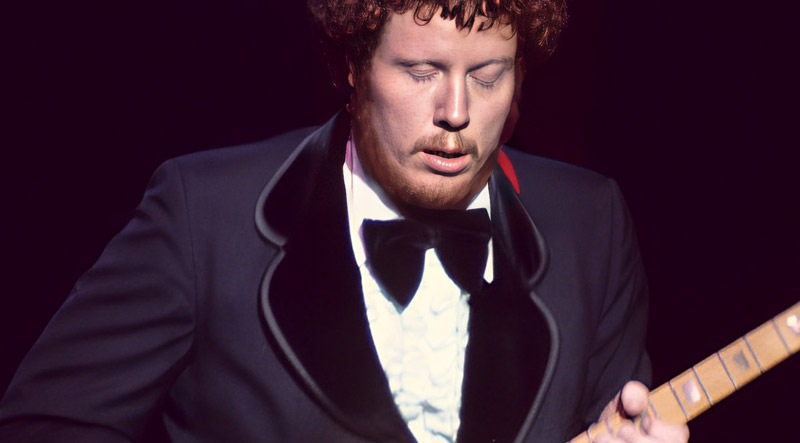
Progressive rock emerged from the British psychedelic scene in the late ’60s with bands like the Nice, Procol Harum, Moody Blues, King Crimson, Yes, and Gentle Giant. The genre blossomed in the first half of the ’70s, still dominated by Brit bands, with one exception – Kansas. After forming in Topeka in 1970, Steve Walsh
-
Willie G. Moseley
Denny Laine 1944-2023
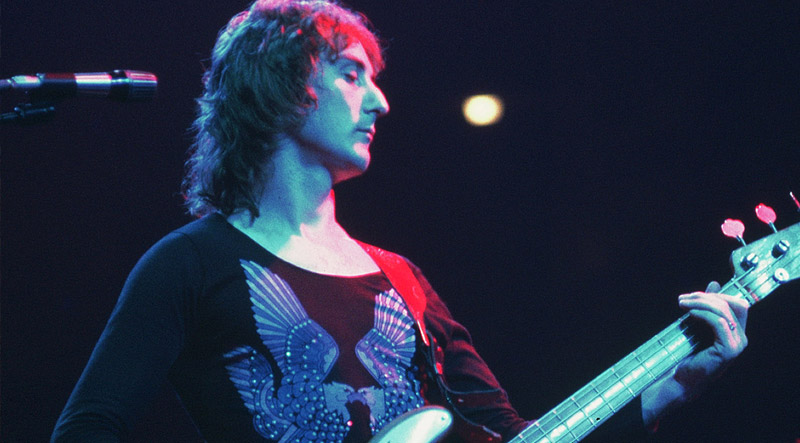
Denny Laine, best known for his affiliations with the Moody Blues and Paul McCartney and Wings, died December 5 after an extended battle with interstitial lung disease. He was 79. Raised in Birmingham, England, Laine was the founding guitarist of the Moody Blues and sang lead on the band’s first hit single, “Go Now,” which
-
Willie G. Moseley
Pop ’N Hiss: King Crimson’s Red
Commendable Coda
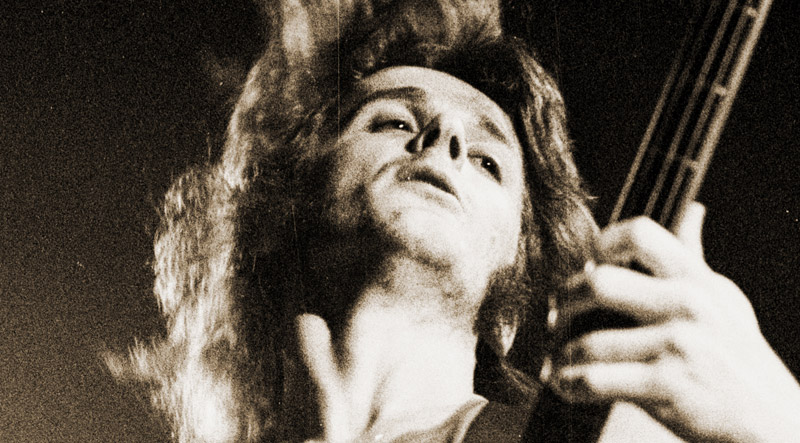
In the late ’60s, a new style of rock emerged in Britain, influenced by classical music and fronted by bands like Yes, Genesis, and Emerson, Lake & Palmer. Dubbed “progressive rock,” King Crimson epitomized the form. Fusing against-the-grain arrangements and meters with grandiose lyrics, King Crimson’s approach was piloted by guitarist Robert Fripp frenetically chordingπ