-
Michael Wright
VG Q&A: Harmony History
And an Archtop Mystery
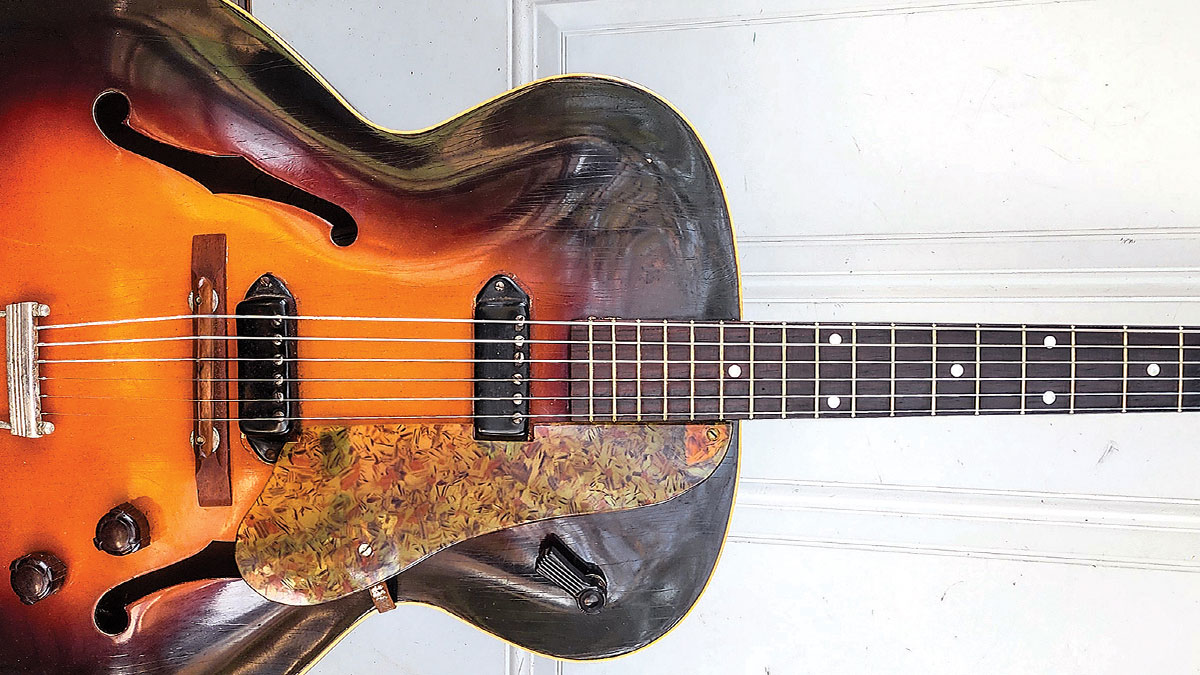
I recently received two guitars as gifts and am trying to learn more about them. The first is a Harmony I believe is from the early ’70s. Its serial number is 6326H6365 and the label is also printed with “B1172.” The second is what I believe is a Goya-made Greco GR1 from the late ’60s with serial number
-
Michael Wright
Veillette-Citron Shark
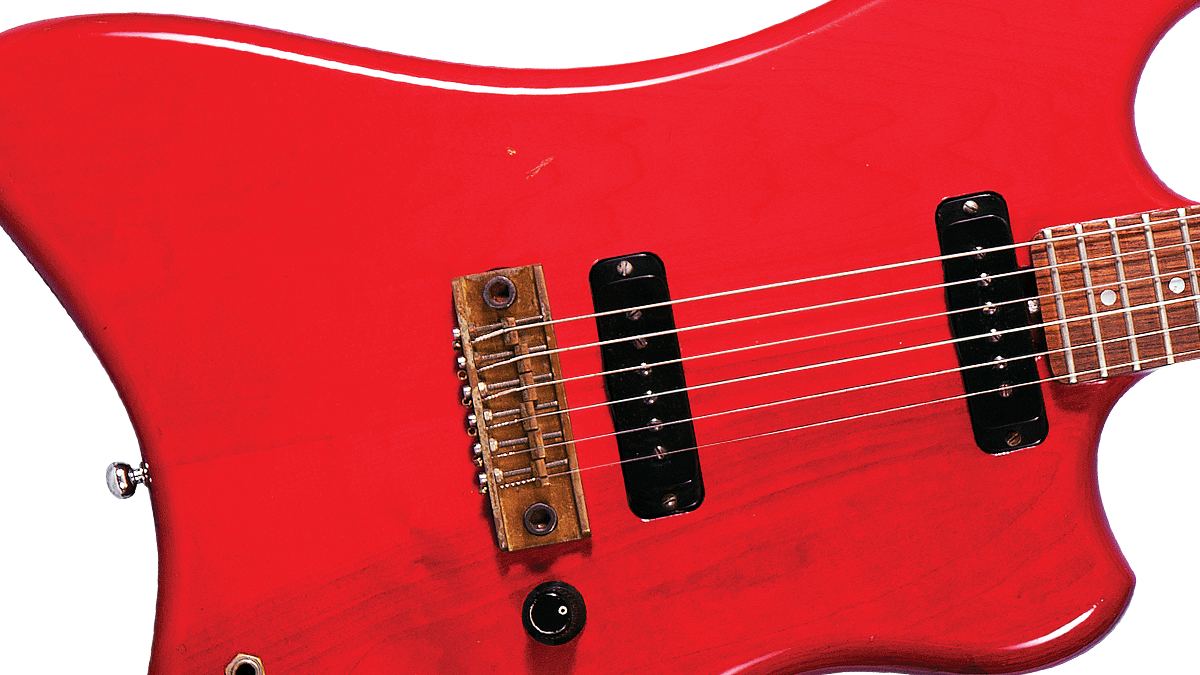
It’s not often a guitar can be said to have been inspired by a TV show, but that is the case with this 1982 Veillette-Citron Shark, which came about as a result of the success of the program “Welcome Back Kotter.” Well, in a pretty roundabout way, that is! Veillette-Citron guitars were the product of
-
Michael Wright
The Electra Endorser
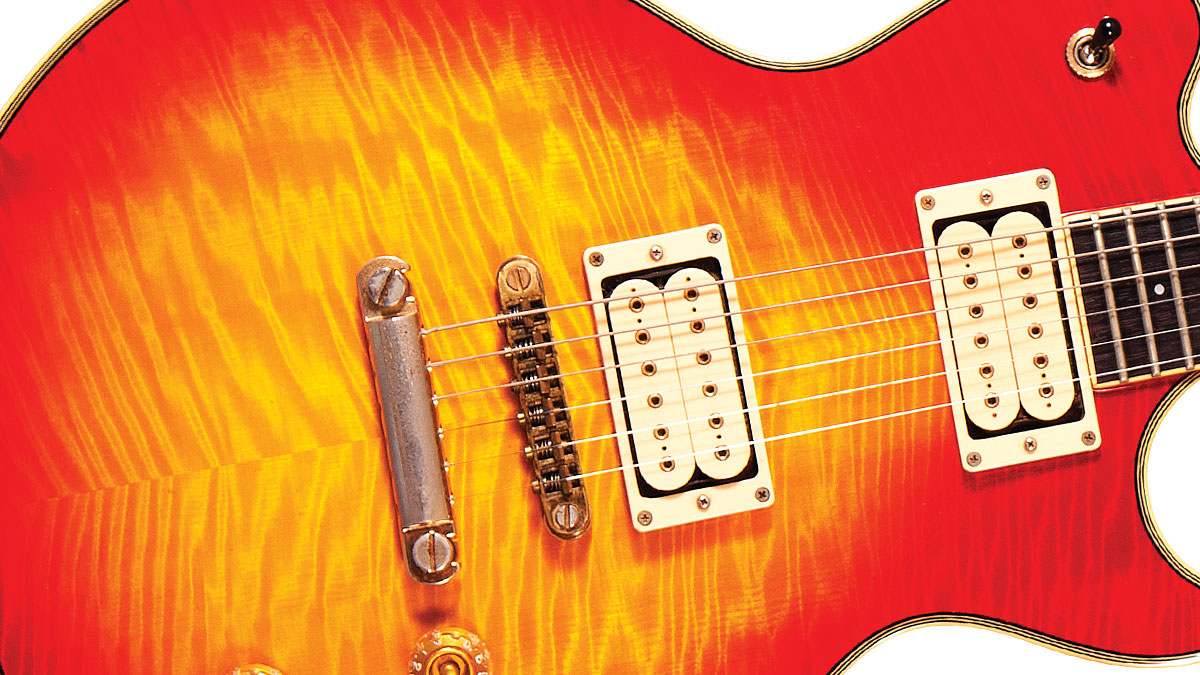
Flame-top guitars were fairly common during the 1970s “copy era,” but few reached the levels of figure we often see on modern high-end guitars. Then came the Electra Endorser X935CS, which set new standards for psychedelic woodgrain. “But it’s not a ’70s guitar,” you object. No, but arguably, the Endorser CS – which was only
-
Michael Wright
Kramer Pacer Deluxe
Superstrat or Bust
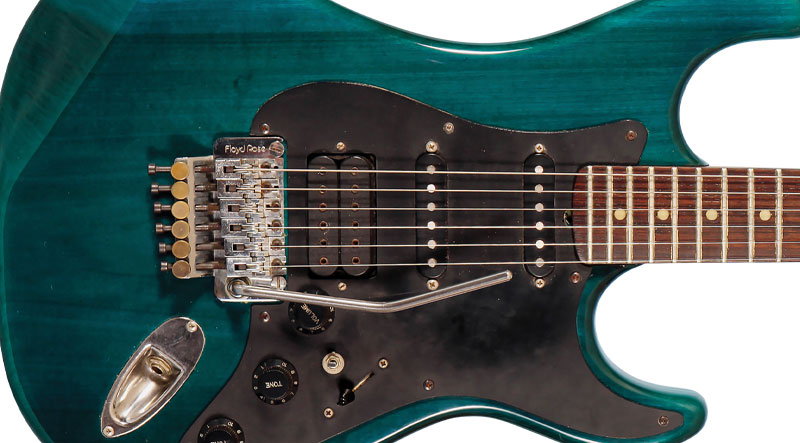
On rare occasions, the zeitgeist – not some lucky designer – creates a guitar that captures hearts and minds. Such was the case in 1982, when tastes in popular music and the rising skills of players conspired to birth “superstrats” like the Kramer Pacer Deluxe. Though he rose to fame playing a parts guitar with
-

Michael Wright
The Hagstrom EDP46 DeLuxe
World War II was responsible for an unbelievable amount of what we today know as the modern world, from computers to plastics. Even though there was a previous similarly named conflagration, WWII was our only truly “world” war, where virtually no part of the globe went untouched. It was the aftermath of WWII that gave
-
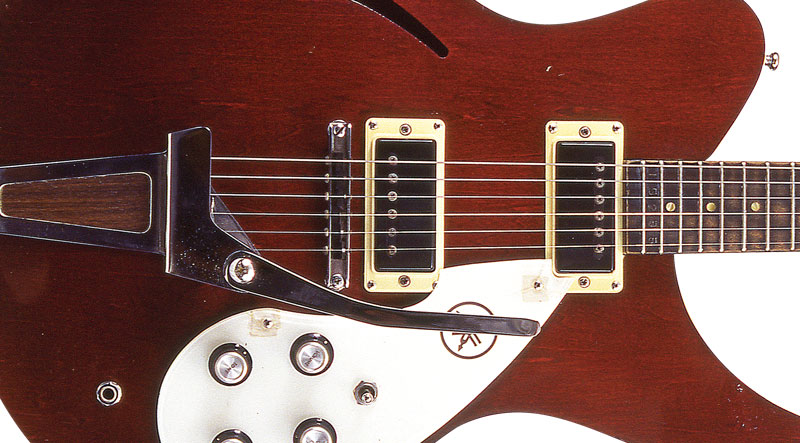
Michael Wright
Yamaha SA-15
Our perception of Japanese guitars has evolved slowly. At one point, they were cheap toys, at other times imperfect copies, then startling innovations. Perspective encircles the truth. So, how should we perceive the Yamaha SA-15? Japan became interested in guitars in the early 1920s, as some musicians there began to perform what we’d today call
-
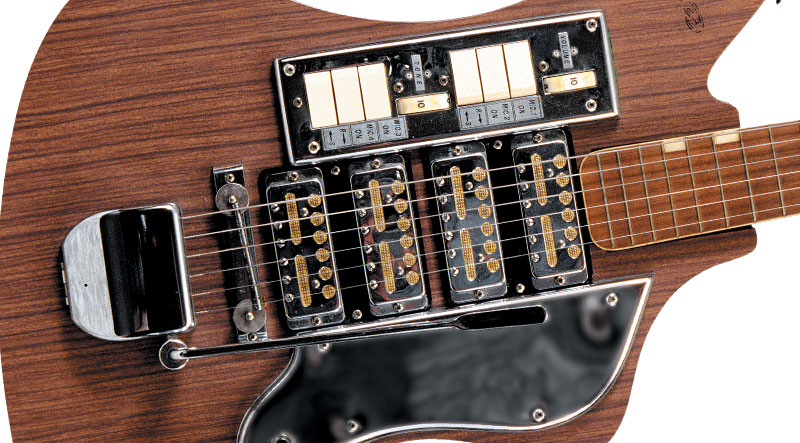
Michael Wright
Teisco SD-4L
In an age of rampant globalization, brand names have become virtually independent of place of manufacture. Few people care where something is built, as long as the quality and price are right. But that wasn’t always so. Time was, where a guitar was built made all the difference in the world. Like in 1963, when
-
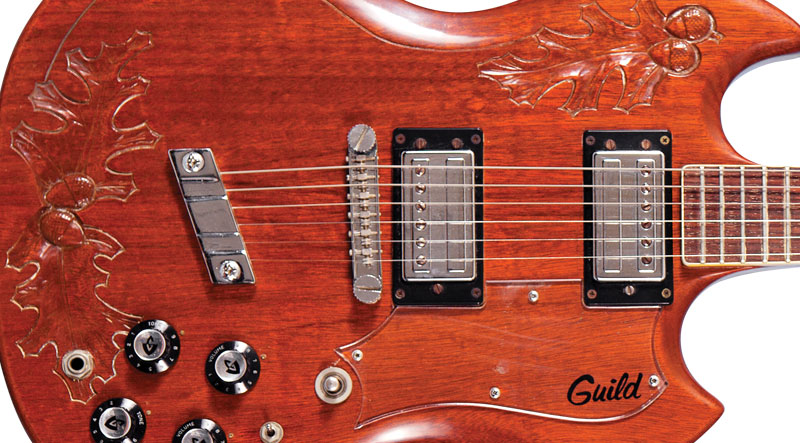
Michael Wright
Guild S-100NB
Some guitars just don’t seem to be in the right place at the right time. Sometimes they’re close, but no cigar. One good example is the oak-leaf carved 1974 Guild S-100NB. Guild was founded in the early ’50s as a result of the chaos that followed labor troubles at the Brooklyn-based Epiphone. After Epiphone packed
-
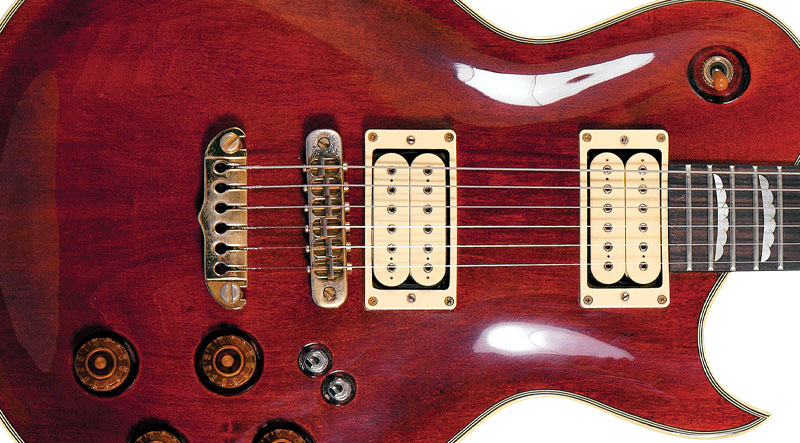
Michael Wright
Aria Pro II PE-R80
There’s nothing like a guitar with a pedigree, and you couldn’t ask for much more than the one attached to this Aria Pro II Prototype! A thoroughbred all the way, its family lines include an underrated brand, a legendary manufacturer, and a legendary guitar designer. The brand is Aria, which almost always takes a back
-
Michael Wright
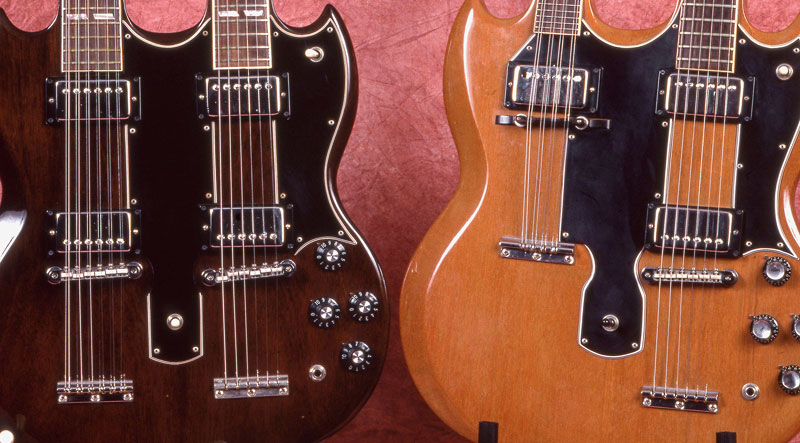
Gibson EDS-1275 and EMS-1235
It’s hard not to associate doubleneck electric guitars with images of Led Zeppelin’s Jimmy Page or fusion guru Mahavishnu John McLaughlin in the ’70s; however, the fact is that by the time the Big Js were stopping shows with these multi-headed beasts, they were already relics of the past. Doubleneck Spanish guitars got their first